Sannyasi

Definition and stakes

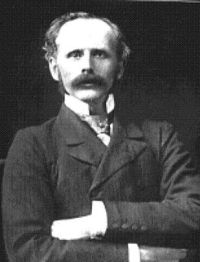
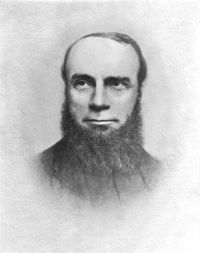
Portrait of Charles Eliot Charles Eliot,  Hinduism and Buddhism, An Historical Sketch…

“ The Sannyâsi or adept follows no caste observances, performs no sacrifices, reads no scriptures. His religion is to realize in meditation the true nature, and it may be the identity, of the soul and God. Good works are of no more importance for him than rites, though he does well to employ his time in teaching. But Karma has ceased to exist for him: "the acts of a Yogi are neither black nor white," they have no moral quality nor consequences. This is dangerous language and the doctrine has sometimes been abused. ”
Source: Gutenberg

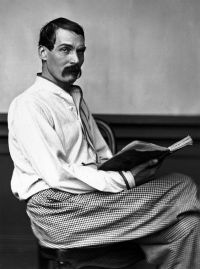
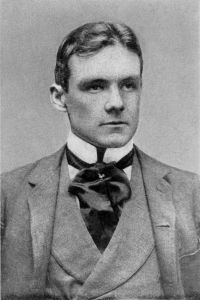
Portrait of Richard Harding Davis Richard Harding Davis,  The Congo and Coasts of Africa

“ For the charm of Zanzibar lies in the fact that while the white men have made it healthy and clean, have given it good roads, good laws, protection for the slaves, quick punishment for the slave-dealers, and a firm government under a benign [211] and gentle Sultan, they have done all of this without destroying one flash of its local color, or one throb of its barbaric life, which is the showy, sunshiny, and sumptuous life of the Far East. ”
Source: Gutenberg

Lyons McLeod,  Travels in Eastern Africa, volume 2…

“ Zanzibar, the capital of the African dominions of the Imâm of Muskat, in latitude 6° 28′ S. and longitude 39° 33′ E., exports gold, ivory, drugs, coir, cocoa-nuts, gums, bees-wax, tortoise-shell, spice, rice from Pemba, sesame-seed from Angoxa, and a great quantity of timber annually to the Red Sea and Persian Gulf.
In 1818 cloves were introduced into Zanzibar from Mauritius; they thrive so well that the cultivation of them has in a great measure superseded that of the sugar-cane, and even the cocoa-nut.
”
Source: Gutenberg

Get perspective with Kwize: daily news enlightened by great literature