Sarcode

Definition and stakes

Samuel Lockwood,  Popular Science Monthly (1873)

“ This heap or mass of net-work, commonly called a sponge, is really the skeleton of the sponge. When living it is covered with, or literally embedded in, a glairy, gelatinous, or albuminous substance. But this is so unlike ordinary animal tissue—for it seems, really, tissue-less—that it has received the technical name sarcode. This sarcode fills the meshes above mentioned; and is held in place by innumerable tiny spicules, mixed in, so to speak, like the hair in the mortar of the plasterer. ”

Source: Wikisource

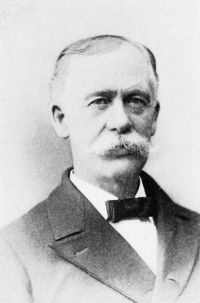
Portrait of Jabez Hogg Jabez Hogg,  The Microscope. Its History, Construction…

“ That so simple and minute an organism should be capable of independent motion is indeed surprising. Dujardin, a French physiologist, termed this animated matter sarcode. On a closer study of the numerous forms of animal life it was found that all were alike composed of this sarcode substance, some apparently not having a cell wall. The same seemed to hold good of certain higher forms of cells, the colourless blood corpuscles for instance, which under high powers of the microscope are seen to change their shape, moving about by the streaming out of this sarcode. ”
Source: Gutenberg

Alfred Tylor,  Colouration in Animals and Plants

“ The animal matter, or sarcode, or protoplasm of sponges falls into three layers, just as we find the primitive embryo of the highest animals; and just as the middle membrane of a mammalian ovum develops into bone, muscle and nerve, so the middle membrane (mesosarc) of the sponges develops the hard skeleton, and in this most important part we find the colour cells prevail. ”
Source: Gutenberg

Get perspective with Kwize: daily news enlightened by great literature