Scire facias

Definition and stakes

David Davis,  Mitchell v. St. Maxent's Lessee…

“ The death of a defendant, before the test of an execution, compels the plaintiff to sue out a writ of scire facias, 'for the alteration of the person altereth the process.' [1] The heirs, devisees, and terre-tenants of the deceased must have notice before an execution can regularly issue, for they are the parties in interest, and should have an opportunity to interpose a defence, if any they have, to the enforcement of the judgment. Erwin's Lessee v. Dundas [2] is an authority in point, and it is unnecessary to refer to any other. ”
Source: Wikisource

1911 Encyclopædia Britannica, Volume 24… (1911)

“ The writ is now of little practical importance; its principal uses are to compel the appearance of corporations aggregate in revenue suits, and to enforce judgments against shareholders in such companies as are regulated by the Companies Clauses Act 1845, or similar private acts, and against garnishees in proceedings in foreign attachment in the lord mayor's court. Proceedings by scire facias to repeal letters patent for inventions were abolished by the Patents, Designs and Trademarks Act 1883, and a petition to the court substituted. ”
Source: Wikisource

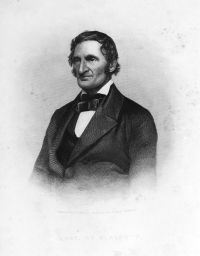
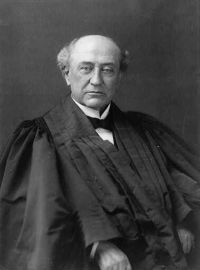
Portrait of David Josiah Brewer David Josiah Brewer,  Whitney v. Dick — Opinion of the Court

“ It is silent on the subject, and in order to sustain its jurisdiction we must write something into the statute which Congress itself did not put there. In this we are speaking of the writ of habeas corpus as an original and independent proceeding, for by § 12 of the act 'the circuit court of appeals shall have the powers specified in § 716 of the Revised Statutes of the United States (U.S.C.omp. Stat. 1901, p. 580) .' Section 716 provides that 'the Supreme Court and the circuit and district courts shall have power to issue writs of scire facias. ”
Source: Wikisource

Get perspective with Kwize: daily news enlightened by great literature