Self-study

Definition and stakes

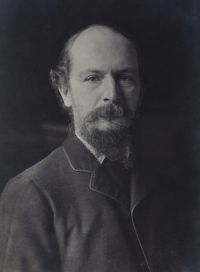
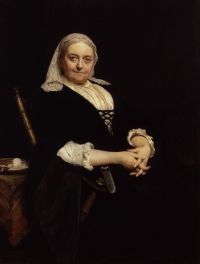
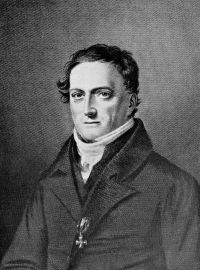
Portrait of Edward Dowden Edward Dowden,  A History of French Literature

“ When the time for study comes, that study should be simple and sound—no Babel of words, but a wholesome knowledge of things; he may have learnt little, but he will know that little aright; a sunrise will be his first lesson in cosmography; he may watch the workman in his workshop; he may practise the carpenter's trade; he may read Robinson Crusoe, and learn the lesson of self-help. Let him ask at every moment, "What is the good of this?" Unpuzzled by questions of morals, metaphysics, history, he will have grown up laborious, temperate, patient, firm, courageous. ”
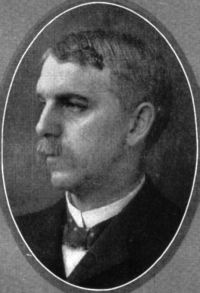
Source: Gutenberg

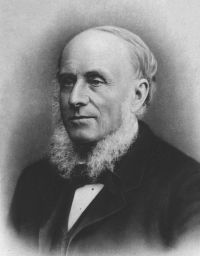
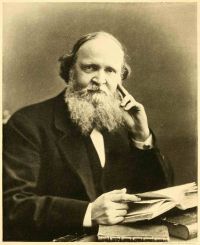
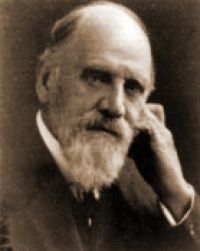
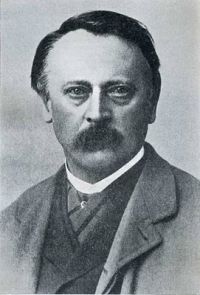
Portrait of Frank M. McMurry Frank M. McMurry,  How to Study and Teaching How to Study

“ Should the student, therefore, be taught to believe in and trust himself, holding his own powers and tendencies in high esteem? Should he learn even to ascribe whatever merit he may possess to the qualities that are peculiar to him? And should he, accordingly, look upon the ideas and influences of other persons merely as a means—though most valuable—for the development of this self that he holds so sacred? ”
Source: Gutenberg

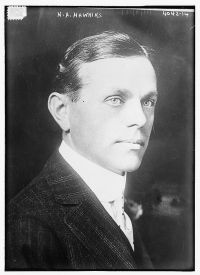
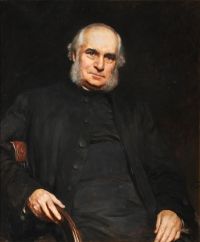
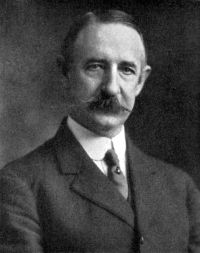
Portrait of Norval A. Hawkins Norval A. Hawkins,  Certain Success

“ Cannot you, then, certainly develop and use to a much higher degree of activity and quality the MAN characteristics you now possess? Of course you can! You need but to learn the science of yourself—to get full knowledge of what you are and of what you might be—by studying the big, best qualities in you. After that you will need to make the most of what you learn about your true self. Intensive self-study will reveal to you all the possibilities of your enlarged and bettered personality. ”
Source: Gutenberg

Get perspective with Kwize: daily news enlightened by great literature