Sewing needle

Definition and stakes

Arthur May Mowry,  American Inventions and Inventors

“ Embroidery is done with the needle. The plain seam, the hem, the gather, the back stitch, are simply so many forms of the work of an artist.
Century after century our needle-makers have been improving in the manufacture of this simple but effective little machine. In the complicated civilization of the present time we have an almost infinite variety of needles: the ordinary sewing needle for the making of garments; smaller needles for lace work, the hemming of delicate handkerchiefs and the seam of fine silk goods; and coarse and heavy needles for carpet sewing, bagging, and leather work.
”
Source: Gutenberg

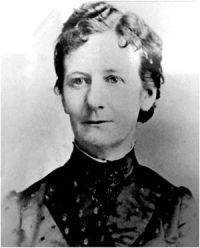
Portrait of Thérèse de Dillmont Thérèse de Dillmont,  Encyclopedia of Needlework — Plain sewing

“ Never use a bent needle, it makes ugly and irregular stitches, and see that the eye, whether round or egg-shaped, be well-drilled, that it may not fray or cut the thread. Long or half-long needles are the best for white work, long ones for dress-making, and longer ones still, with long eyes, for darning. A stock of each, from No 5 to 12, is advised. The needle should always be a little thicker than the thread, to make an easy passage for it through the stuff. ”
Source: Wikisource

Effie Archer Archer,  The Library of Work and Play: Needlecraft

“ Let each stitch be the same size as the other and slant in the same direction. The right side of the hem looks like a row of short dashes.
Fig. 19. The way the needle should slant
If your needle gets "sticky" when you are sewing, you should pass it through your emery-bag till it is shiny and sharp again. The needle is apt to get that way if your hands perspire. Ladies who like to keep their sewing looking fresh and white, as if hands had never touched it, find it a good plan to wash their hands in a little vinegar, or lemon and water.
”
Source: Gutenberg

Get perspective with Kwize: daily news enlightened by great literature