Sophism

Definition and stakes

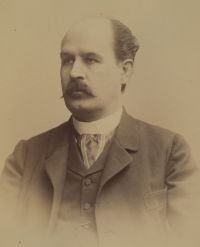
Portrait of John Fletcher John Fletcher,  Studies on Slavery, in Easy Lessons

“ The author did not choose these few words to express the proposition, because the law of God could readily be produced in contradiction: “Whosoever committeth sin is the servant (δοῦλος, doulos, SLAVE) of sin.” Besides, then, he loses the benefit of the sophism,—the substitution of the condition of man in his fallen state, through the ambiguity of the word “natural,” for the condition of the first man, fresh from the hand of the Creator. This sophism is one of great art and covertness ”
Source: Gutenberg

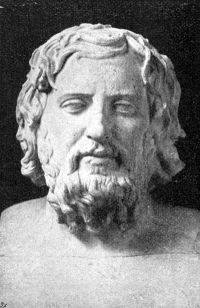
Portrait of Albert Taylor Bledsoe Albert Taylor Bledsoe,  A Theodicy, or, Vindication of the Divine Glory

“ It is common to most of the advocates of necessity, and it is exceedingly imposing in its appearance and effect. “Men of all times,” says he, “have been troubled by a sophism, which the ancients called the ‘raison paresseuse,’ because it induces them to do nothing, or at least to concern themselves about nothing, and to follow only the present inclination to pleasure. For, say they, if the future is necessary, that which is to happen will happen whatever I may do. ”
Source: Gutenberg

Get perspective with Kwize: daily news enlightened by great literature