Speech sound

Definition and stakes

William T. Preyer,  The Mind of the Child, Part II

“ To the expressive beginnings of speech belongs the sum total of the inarticulate sounds—crying, whimpering, grunting, cooing, squealing, crowing, laughing, shouting (for joy) , modulation of the voice, smacking, and many others, but also the silent movement of the tongue; further, articulation, especially before imitation begins; the formation of sound, and so the gradual perfecting of the vowels, aspirates, and consonants; at the same time the forming of syllables. The last is especially easy to follow in the babbling monologues of the infant, which are often very long. ”
Source: Gutenberg

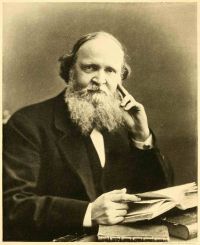
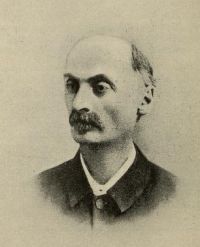
Portrait of A. H. Sayce A. H. Sayce,  Introduction to the science of language… (1880)

“ The vocal organs, on the other hand, through which thought becomes realized in speech, are subject to all the conditions of the material world. The utterance of each articulate sound and its relations to another are conditioned and defined by the physical constitution of man, by the circumstances in which he finds himself, and by measurable laws of sound. The outward form of language, the flesh-garment, as it were, in which thought clothes itself, falls entirely into the domain of physiology and acoustics. ”
Source: Gutenberg

Get perspective with Kwize: daily news enlightened by great literature