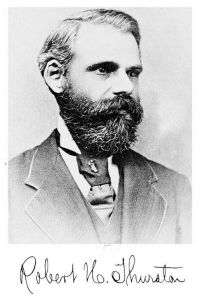
Steam power, the process of converting heat into mechanical energy through vaporization, has been a cornerstone of industrial and technological progress. From Sadi Carnot’s thermodynamic theories to Robert Henry Thurston’s historical studies, writers have examined its transformative impact on economies and societies. Thurston focused on its groundbreaking use in ship propulsion and engineering, while Arthur May Mowry connected it to the dynamo’s electric lighting, emphasizing its presence in modern infrastructure.
Archibald Williams praised its role in making industry more accessible, and Samuel Smiles stressed its reliance on precise engineering. Together, these viewpoints illustrate steam power as both a practical advancement and a force that reshaped human labor and development, effortlessly merging with related areas such as machinery and electrical systems.