The concept of "mover" primarily denotes an individual who initiates motion within parliamentary procedure, yet its philosophical and literary dimensions reveal a broader range of meaning. From Aristotle’s assertion that the mover is "incorporeal and unchanging" to Thomas Aquinas’s theological examination of the mover as a principle of action, the theme spans metaphysical and practical domains.
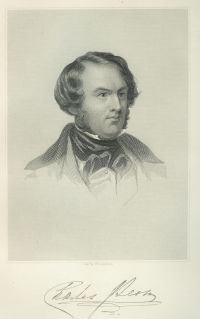
Authors like Richard Cumberland and Charles Kingsley demonstrate its narrative value, while S. A. Reilly challenges conventional ideas by disconnecting motion from a prime mover’s ongoing influence. This duality—rooted in both institutional protocol and existential inquiry—reflects the mover’s lasting role as a catalyst for change, connecting physical movement, intellectual debate, and societal advancement.