Supererogation

Definition and stakes

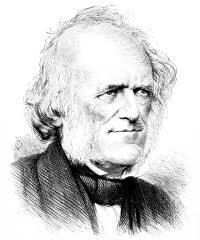
Portrait of Alan Sullivan Alan Sullivan,  Out of the Pit (1922)

“ Some mines are cursed with firedamp, that light thin gas which, floating on the heavier air, steals along the splintered roof of coal seams and gradually displaces the pure fresh current from the surface fans. But the bane of Neddrie No. 2 was carbonic acid gas, which, heavier than air, crawled along its floors and slowly rose, ankle-high, knee-high, breast-high, face-high, till it choked the life out of those who might be caught in its deadly embrace. ”
Source: Wikisource

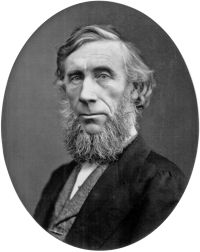
Portrait of John Tyndall John Tyndall,  Fragments of Science: A Series of Detached Essays…

“ A pellet of 'spongy platinum,' for instance, plunged into a mixture of oxygen and hydrogen, causes the gases to explode instantly. In virtue of its extreme porosity, a similar power is possessed by charcoal. It is not strong enough to cause the oxygen and hydrogen to combine like the spongy platinum, but it so squeezes the more condensable vapours, and acts with such condensing power upon the oxygen of the air, as to bring both within the combining distance, thus enabling the oxygen to attack and destroy the vapours in the pores of the charcoal. ”
Source: Gutenberg

Various,  Popular Science Monthly (1908)

“ In other words, secondary enrichment by descending waters depends first of all upon the ratio of oxidation to erosion. Where erosion is more rapid than oxidation the unoxidized sulphides will be found in the rocks and veins at the surface of the ground, and in the sands rolling down the beds of torrential streams as in Alaska. While if oxidation precedes erosion the uppermost zone of a sulphide ore deposit will be oxidized and leached of its base minerals, as is the case here in Butte, and to varying extent over the larger portion of the temperate zones of the earth. ”
Source: Wikisource

Get perspective with Kwize: daily news enlightened by great literature