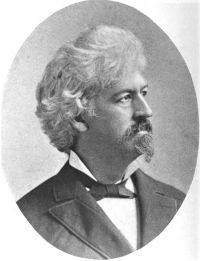
A throne room, typically a grand hall within a monarch’s residence, functions as a ceremonial space for official events, symbolizing authority through its elaborate design. Authors have long portrayed these spaces as sites of power and splendor: L. Frank Baum imagined a coral-walled chamber adorned with mother-of-pearl, while Émile Zola described a Vatican hall steeped in gilded luxury.
Ingersoll Lockwood evoked a silent, eerie throne room in a subterranean journey, contrasting with Albert Frederick Calvert’s vivid portrayal of a silver-clad Spanish throne. These varied depictions—from ceremonial magnificence to symbolic stillness—reflect the room’s dual role as both a political stage and a narrative tool, mirroring its historical function as a center of royal ritual and influence.
 L. Frank Baum,
The Sea Fairies
(1911)