Type specimen

Definition and stakes

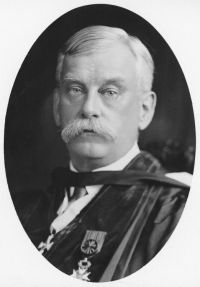
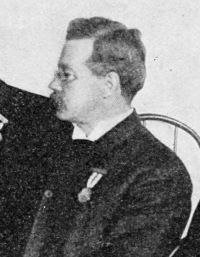
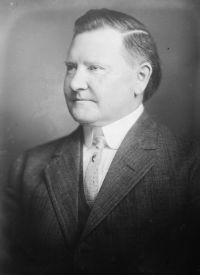
Portrait of Peter Chalmers Mitchell Peter Chalmers Mitchell,  1911 Encyclopædia Britannica (1911)

“ To make the denotation of zoological names precise, exact workers are endeavouring to associate the conception of types with names, a process which can be made simple and definite with new work, but which presents great difficulties in the attempt to apply it to existing terms. Every family should have designated one of its genera as the type genus, every genus a type species and so forth. In the case of species or sub-species the type is a single specimen, either the only one before the author when writing his description, or one definitely selected by him, the others being paratypes. ”
Source: Wikisource

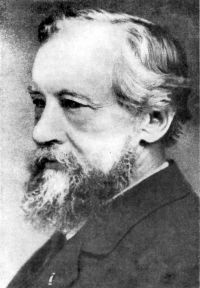
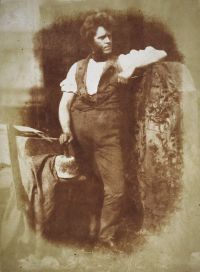
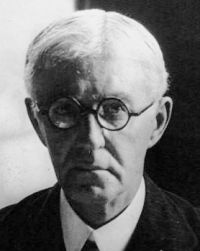
Portrait of George Talbot George Talbot,  The Hill Museum (1921)

“ The individuals of each form are grouped according to locality or zoological area, the sexes being sorted in every such series. Any type specimens are placed at the end of a series comprising the form named. The name-label placed at the bottom of a series bears the original type locality. Where known forms are absent in the collection, a name-label, with figure if available, is placed in the position of the missing form.Families are arranged geographically instead of in any so-called phylogenetic order. ”
Source: Wikisource

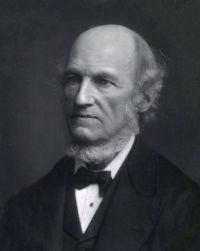
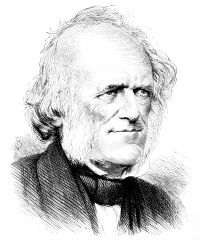
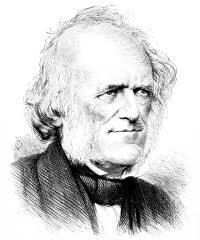
Portrait of William Benjamin Carpenter William Benjamin Carpenter,  Natural History Review: a quarterly journal of biological science (1861)

“ III. The only natural classification of the vast aggregate of diversified forms which this group contains, will be one which ranges them according to their mode and degree of divergence from a small number of principal family types; and any subordinate groupings of genera and species which may be adopted for the convenience of description and nomenclature, must be regarded merely as assemblages characterized by the nature and degree of the modifications of the original type which they may have respectively acquired in the course of genetic descent from a common ancestry. ”
Source: Wikisource

Get perspective with Kwize: daily news enlightened by great literature