Urbanity

Definition and stakes

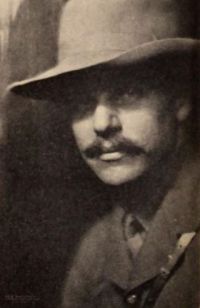
Portrait of F. Scott Fitzgerald F. Scott Fitzgerald,  The Beautiful and Damned

“ Later in June horror leered out at Gloria, struck at her and frightened her bright soul back half a generation. Then slowly it faded out, faded back into that impenetrable darkness whence it had come—taking relentlessly its modicum of youth.
With an infallible sense of the dramatic it chose a little railroad station in a wretched village near Portchester. The station platform lay all day bare as a prairie, exposed to the dusty yellow sun and to the glance of that most obnoxious type of countryman who lives near a metropolis and has attained its cheap smartness without its urbanity.
”
Source: Gutenberg

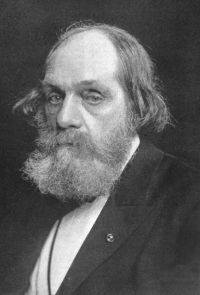
John Richard Green,  History of the English People, Volume VII

“ As cities ceased to be regarded simply as centres of trade and money-getting, and became habitual homes for the richer and more cultured; as men woke to the pleasure and freedom of the new life which developed itself in the street and the mall, of its quicker movement, its greater ease, its abundance of social intercourse, its keener taste, its subtler and more delicate courtesy, its flow of conversation, the stately and somewhat tedious prose-writer of days gone by passed into the briefer and nimbler essayist. ”
Source: Gutenberg

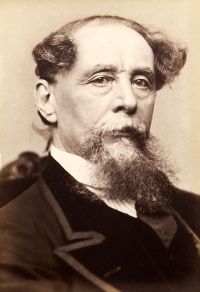
J. W. Wright,  The Long Ago

“ Street sounds come surging up to us—the hoarse Voice of the City—a confused blur of noise—clanging trolley-cars, rumbling wagons, and familiar cries—all the varied commotion of the home-going hour when the city's buildings are pouring forth their human tide of laborers into the clogged arteries. ”
Source: Gutenberg

Get perspective with Kwize: daily news enlightened by great literature