War paint

Definition and stakes

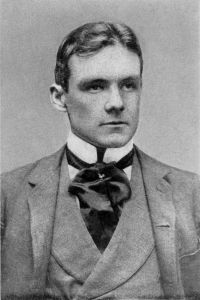
Portrait of Richard Harding Davis Richard Harding Davis,  Notes of a War Correspondent

“ The battle plain below him was his canvas, and his nine mountain guns were his paint brushes. And he painted out Turks and Turkish cannon with the same concentrated, serious expression of countenance that you see on the face of an artist when he bites one brush between his lips and with another wipes out a false line or a touch of the wrong color. You have seen an artist cock his head on one side, and shut one eye and frown at his canvas, and then select several brushes and mix different colors and hit the canvas a bold stroke, and then lean back to note the effect. ”
Source: Gutenberg

J. G. Wood,  The uncivilized races of men in all countries of the world… (1875)

“ When palavers are of no avail, and nothing but war can be the result of the quarrel, both parties try to frighten the enemy by the hideousness of their appearance. They are perfectly aware that they could not withstand a charge, and, knowing that the enemy is not more gifted with courage than themselves, try to inspire terror by their menacing aspect. They paint their faces white, this being the war color, and sometimes add bars and stripes of red paint. The white paint, or chalk, is prepared in their greegree or idol houses, and is thought to be a very powerful charm. ”
Source: Gutenberg

Get perspective with Kwize: daily news enlightened by great literature