Wave theory of light

Definition and stakes

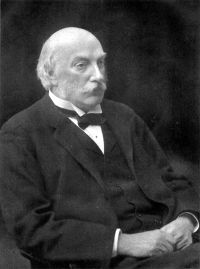
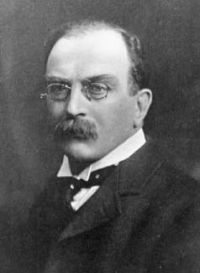
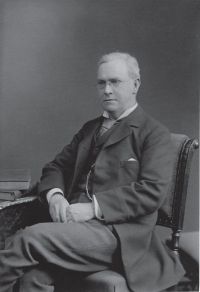
Portrait of Sir Oliver Lodge Sir Oliver Lodge The Ether of Space

The oldest valid and conclusive requisition of an ethereous medium depends on the wave theory of light, one of the founders of which was the Royal Institution Professor of Natural Philosophy at the beginning of last century, Dr. Thomas Young.
No ordinary matter is capable of transmitting the undulations or tremors that we call light. The speed at which they go, the kind of undulation, and the facility with which they go through vacuum, forbid this.
Source: Gutenberg

Various Popular Science Monthly (1889)

The colors of soap-bubbles furnish one of the most triumphant vindications of the wave theory of light, and offer to its opposers one of the hardest possible nuts to crack. A brief explanation of the wave theory of light and interference, so far as it bears upon our subject, will, it is hoped, be pardoned. It is an idea so familiar to those who have studied physics, and yet so difficult of conception to those who have not, that a few words seem necessary in a popular exposition of the colors of films.
Source: Wikisource

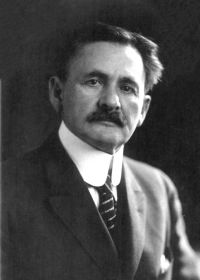
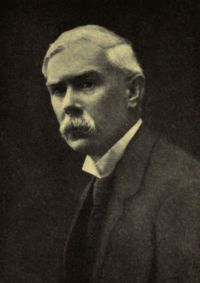
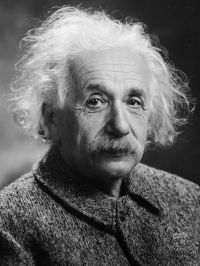
Portrait of Albert Abraham Michelson Albert Abraham Michelson Light waves and their uses (1902)

COMPARISON OF THE MICROSCOPE AND TELESCOPE WITH THE INTERFEROMETER
One of the principal objections which have been urged against the wave theory of light is the fact that light appears to travel in straight lines, whereas sound, which is known to be a wave motion, does not cast a shadow; in other words, the sound waves are capable of bending around an obstacle in the path of the waves.
Source: Wikisource

Get perspective with Kwize: daily news enlightened by great literature