White-collar worker

Definition and stakes

Guy Benton Johnson,  Negro workaday songs (1926)

“ Some of them are clearly songs of the chain gang as well as of free labor construction work. That they are fairly accurate portrayals of the worker and his task, of the captain and his ways, of the thoughts and customs of the worker and singer will be evident to any one who knows the field. To the uninitiated the laborer is merely a laborer, silent, reserved, certainly keeping back from the white man his innermost thoughts, wishes, and feelings. ”
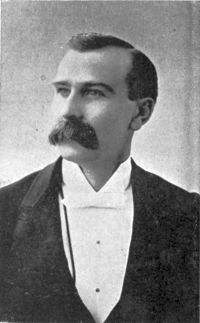
Source: Gutenberg

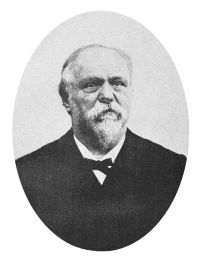
Portrait of Louis Albert Banks Louis Albert Banks,  White Slaves; or, the Oppression of the Worthy Poor

“ So universally is this so, that the sweater in this business is called a "garret master." Wages have been brought down, from forty to fifty shillings a week, to from eighteen to twenty shillings.
The boot and shoe trade has had the same history. Large numbers of foreigners are employed in this work. The workers are kept in ignorance of the language and under surveillance, so as to be taken advantage of. They are not instructed in the more skilled work, and, to use the words of one of the witnesses, "are too crushed to resist." They are compelled to work from eighteen to twenty hours a day.
”
Source: Gutenberg

Portrait of Louis Albert Banks Louis Albert Banks,  White Slaves; or, the Oppression of the Worthy Poor

“ Honest labor, continued through reasonable hours, paid at a rate which assures a wholesome support, is ennobling; but overwork, that is hopeless of comfortable reward, is degrading in the extreme. On the continent of Europe, where men and women work in the factories for fourteen and sixteen hours in a day, the laborers are reduced simply to machines. ”
Source: Gutenberg

Get perspective with Kwize: daily news enlightened by great literature