Whole wheat flour

Definition and stakes

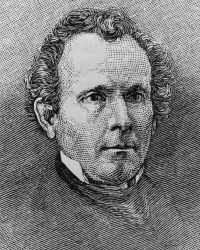
Portrait of Harvey Washington Wiley Harvey Washington Wiley,  Foods and Their Adulteration

“ Whole wheat flour, entire wheat flour, improperly so called, is fine wheat meal from which a part of the bran has been removed.
Gluten flour is the product made from flour by the removal of starch, and contains not less than five and six-tenths (5.6) percent of nitrogen and not more than ten (10) percent of moisture.
Age of Flour. —The freshly ground flour is most highly esteemed by many consumers on account of palatability and freedom from all danger of mold and ferments. Older flours are likely to lose flavor, become moldy and infested with weavil and other insect pests.
”
Source: Gutenberg

E. E. Kellogg,  Science in the Kitchen

“ Whole-wheat flour ferments more readily and rises more quickly than does white flour, hence bread made with it needs more careful management, as it is more liable to sour. The novice in bread-making should not undertake the preparation of bread with whole-wheat flour, until she has thoroughly mastered all the details of the art by practical experience, and can produce a perfect loaf from white flour.
Breads from whole-wheat and Graham flours require less yeast and less flour than bread prepared from white flour. A slower process of fermentation is also advantageous.
”
Source: Gutenberg

Chautauqua Institution,  The Chautauquan, Vol. 05, November 1884…

“ Whole Wheat Flour.—It is claimed that bran in Graham flour often proves an irritant to delicate digestive organs. In whole wheat flour we have the entire food principle of the grain without the hull. The cold blast process of milling gives us this flour of a very superior quality.
Whole Wheat Flour Bread should be made in every particular like patent or new process flour bread, and baked in loaves, twists, or fancy rolls.
”
Source: Gutenberg

Get perspective with Kwize: daily news enlightened by great literature