Thomas Barrow

Thomas Barrow,  Remarks on the Importance of the Study of Political Pamphlets… (1765)

“ We know, in short, as little of their art of political writing as of their music; the rise, progress, and perfection of both seem to have been owing to the same causes.
In arbitrary and despotic governments, fear, as Montesquieu justly remarks, is the principal engine of government; there the sophi, or the grand seignior, or the dey, is the sole legislator; the only person who has studied the art of politics, being the only person who is called upon by his country to practise it. This sort of writing being principally applied to the great purposes of provoking or of appeasing the people
”
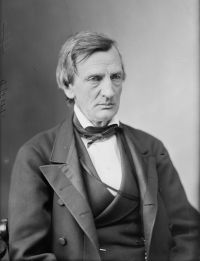
Source: Gutenberg

Thomas Barrow,  Remarks on the Importance of the Study of Political Pamphlets… (1765)

“ On the contrary, every man who wantonly and vainly usurps that sacred profession, without being possessed of a moderate share at least, either of genius, or wit, or learning, or knowledge, besides the indispensable qualifications and ingredients of common honesty, sincerity, and benevolence, is guilty, in my opinion, of the highest degree of impertinence.
But in this land of liberty, of general wealth, curiosity, and idleness, where there is scarce a human creature so poor that it cannot afford to buy or hire a Paper or a Pamphlet, or so busy that it cannot find leisure to read it
”
Source: Gutenberg

Thomas Barrow,  Remarks on the Importance of the Study of Political Pamphlets… (1765)

“ Nor indeed (if what has been said of the North Britons be admitted) ought it to pass for matter of wonder that what we emphatically call the Union, should appear to vulgar eyes totally different from the alliance between the people of whom I have been speaking. It was, therefore, the prevailing and common opinion, that an Englishman might, with equal reason, be jealous of a man born in another country or city, or of his next door neighbour, or of his brother, as of a Scotchman. Now no man can be found so foolish as to own such a jealousy, how much soever he may feel it ”
Source: Gutenberg

Get perspective with Kwize: daily news enlightened by great literature