Ancient Egyptian religion

Definition and stakes

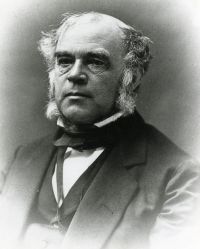
Portrait of A. H. Sayce A. H. Sayce The Religions of Ancient Egypt and Babylonia

The attempts to show that ancient Egyptian religion was a sublime monotheism, or an enlightened pantheism which disguised itself in allegories and metaphors, have their origin in a confusion between the aspirations of individual thinkers and the actual religion of their time. There are indeed literary monuments rescued from the wreck of ancient Egyptian culture which embody the highest and most spiritual conceptions of the Godhead, and use the language of the purest monotheism.
Source: Gutenberg

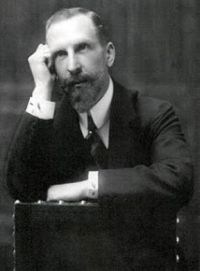
Portrait of A. H. Sayce A. H. Sayce The Religions of Ancient Egypt and Babylonia

The early monuments of Egyptian history, found in the neolithic graves and among the remains of the first dynasties, have shown that the animal worship of Egypt was only part of a larger system. Slate plaques, on which are represented the actions of Pharaohs who preceded Menes or were his immediate successors, prove that the prevailing system of religion must have been one closely akin to African fetishism. The gods appear frequently, but they always appear under the form of what in later times were regarded as their symbols.
Source: Gutenberg

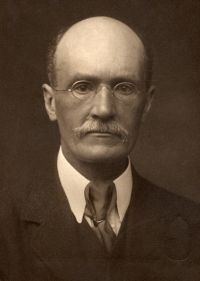
Portrait of A. H. Sayce A. H. Sayce The Religions of Ancient Egypt and Babylonia

Who could have supposed that their religion inculcated a belief not only in the immortality of the soul or spirit, but in the resurrection of the body as well; and that they painted the fields of the blessed to which they looked forward after death as a happier and a sunnier Egypt, a land of light and gladness, of feasting and joy? We cannot judge what Egyptian religion was like merely from the writings of some of its literary men, or build upon them elaborate theories as to what priest and layman believed.
Source: Gutenberg

Get perspective with Kwize: daily news enlightened by great literature