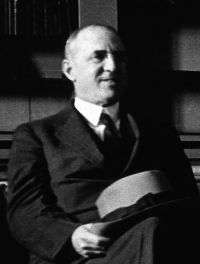
Apollonius of Tyana (c. 15–100 CE) was a Greek Neopythagorean philosopher, religious leader, and reputed wonder-worker whose life and teachings spanned the Greco-Roman world, India, and beyond. Revered as a mystic and reformer, he became a central figure in Neopythagoreanism, combining philosophical depth with ascetic practices and accounts of extraordinary abilities. Authors such as G. R. S. Mead highlighted his role as a "philosopher-reformer" committed to purifying religious customs, while Albert Réville portrayed him as a "pagan Christ" whose miracles were debated as sorcery.
Hugo Magnus, on the other hand, described him as a "fantastic figure" whose legacy fluctuated between divine worship and allegations of fraud. These differing viewpoints, informed by sources like Philostratus’s Life of Apollonius, highlight his lasting mystery: a link between Hellenistic philosophy and the mystical, whose actual history remains intertwined with legend, yet whose impact echoed through both pagan and early Christian traditions.
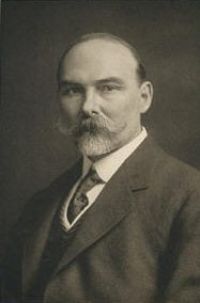 G. R. S. Mead,
Apollonius of Tyana, the Philosopher-Reformer of the First Century A.D
G. R. S. Mead,
Apollonius of Tyana, the Philosopher-Reformer of the First Century A.D