Appius Claudius Caecus

Definition and stakes

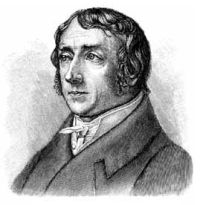
Portrait of Barthold Georg Niebuhr Barthold Georg Niebuhr,  Niebuhr's lectures on Roman history… (1875)

“ Besides the eminent men of that age already spoken of, we have to mention Appius Claudius, who on account of the misfortune which befell him, of losing his eyesight, [Pg 512] has become celebrated under the name of the Blind. He is quite a strange character, and his acts seem to be most inconsistent, unless we call to mind the times in which he lived. Born and bred in the pride of the patrician party, he goes to such lengths as to refuse as interrex to take any votes for the election of a plebeian consul, a fact which we know from Cicero ”
Source: Gutenberg

Arthur E. R. Boak,  A History of Rome to 565 A. D

“ Appius Claudius, censor, 310 B. C. An episode which illustrates the growing democratic tendencies of the time is the censorship of Appius Claudius, in 310, whose office is memorable for the construction of the Via Appia and the Aqua Appia, Rome’s first aqueduct. In his revision of the Senate, Appius ventured to include among the senators persons who were the sons of freedmen, and he permitted the landless population of the city to enroll themselves in whatever tribal district they pleased. ”
Source: Gutenberg

Portrait of Gaius Suetonius Tranquillus Gaius Suetonius Tranquillus,  The Lives of the Twelve Caesars

“ Though he had declared at the beginning of his reign that he would choose no one as a senator who did not have a Roman citizen for a great-great-grandfather, he gave the broad stripe even to a freedman's son, but only on condition that he should first be adopted by a Roman knight. Even then, fearful of criticism, he declared that the censor Appius Caecus, the ancient founder of his family, had chosen the sons of freedmen into the senate ”
Source: Wikisource

Get perspective with Kwize: daily news enlightened by great literature