Arabic poetry

Definition and stakes

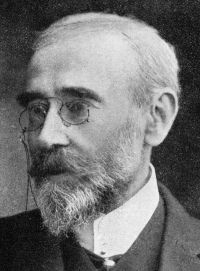
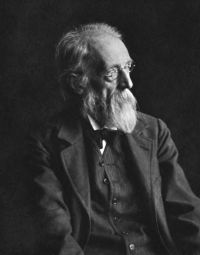
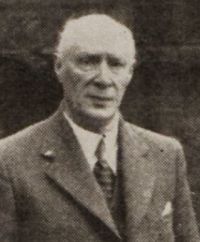
S. P. Scott,  History of the Moorish Empire in Europe… (1904)

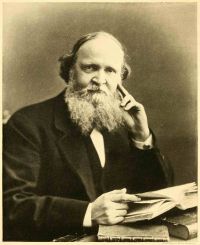
“ The vivacity of Arabic poetry is one of its greatest charms. Its imagery is born of the fiery imagination of the East; its proficiency in the delineation of human passion is the fruit of centuries of study, reflection, and jealous rivalry. Perfect familiarity with the poems of the pre-Islamic Bedouins, regarded as models by every generation of their descendants, was considered an indispensable qualification of every well-informed scholar. The Arabs were so deeply impressed by the potent influence of poetical genius that they assigned it a place among the kabbala of magical science. ”
Source: Gutenberg

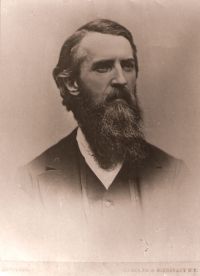
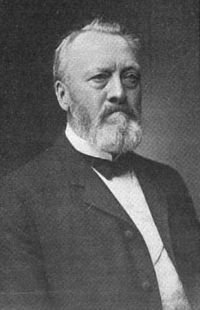
Portrait of John S. C. Abbott John S. C. Abbott,  The Wonders of the World (1856)

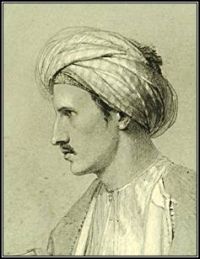
“ There are among them professed story-tellers, who delight the listeners with fanciful tales of enchantment, adventure, and love, or perhaps they repeat, in an animated manner, some fine specimens of Arabic poetry. Thus it is, that mankind, occupying the gloomiest parts of the earth, have amusements. As the steel is made to yield its spark, so the Arab finds pleasure in the desert. ”
Source: Gutenberg

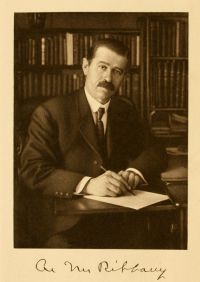
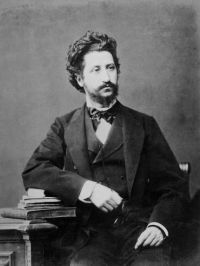
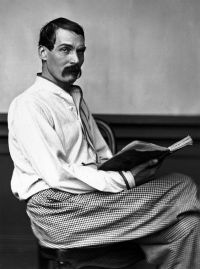
Portrait of John Payne John Payne,  The Book of the Thousand Nights and One Night (1901)

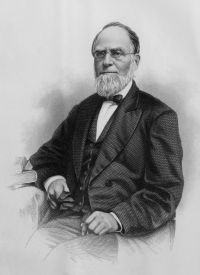
“ The genius of the two languages (Arabic and English) belonging, as they do, to opposite groups of speech-form, presents no point of union; and it seems to me, therefore, that the only satisfactory way of rendering Arabic poetry in English verse is to content oneself generally with observing the exterior form of the stanza, the movement of the rhyme and (as far as possible) the identity in number of the syllables composing the beits.
The principal Arabic metres are sixteen in number, each subdivided by numerous variations
”
Source: Wikisource

Get perspective with Kwize: daily news enlightened by great literature