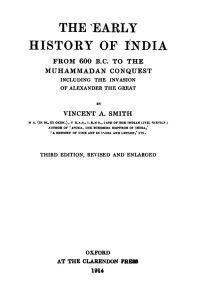
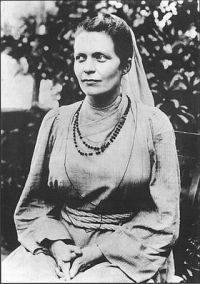
Ashoka, the third emperor of the Maurya dynasty, is renowned for his adoption of Buddhism and his endeavors to spread its teachings throughout his expansive empire. Historians such as Vincent Arthur Smith and Sister Nivedita emphasize his role in encouraging religious harmony, establishing ethical rule through inscriptions, and advocating for non-violence. While I. Groneman points out Ashoka’s dissemination of Buddha’s ashes as a symbol of spiritual expansion, James Ward highlights his reign as a driving force behind the evolution of Indian art.
Scholars like Charles Eliot stress his commitment to compassionate leadership over rigid doctrine, while Sir Valentine Chirol portrays his conversion as a pivotal moral transformation. These viewpoints collectively depict Ashoka as a sovereign whose legacy merges political strategy with spiritual vision, leaving a lasting imprint on Indian history and Buddhist heritage.