Aulus Plautius

Definition and stakes

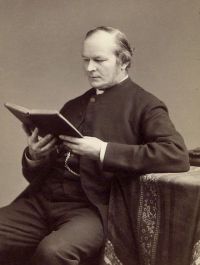
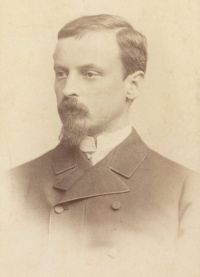
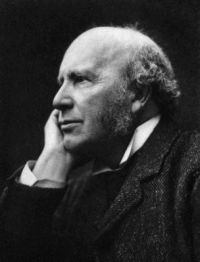
Portrait of Henryk Sienkiewicz Henryk Sienkiewicz,  Quo Vadis (1897)

“ But in view of the order, Aulus Plautius felt defenceless. He looked for some time at the tablets and the signet; then raising his eyes to the old centurion, he said calmly,—
“Wait, Hasta, in the atrium till the hostage is delivered to thee.”
After these words he passed to the other end of the house, to the hall called œcus, where Pomponia Græcina, Lygia, and little Aulus were waiting for him in fear and alarm.
“Death threatens no one, nor banishment to distant islands,” said he; “still Cæsar’s messenger is a herald of misfortune. It is a question of thee, Lygia.”
”
Source: Wikisource

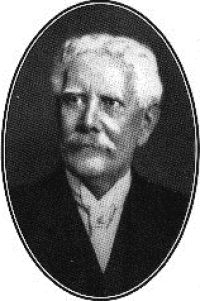
Portrait of Henryk Sienkiewicz Henryk Sienkiewicz,  Quo Vadis (1897)

“ From the door to the side chamber they were ornamented with tortoise-shell or even ivory; at the walls between the doors were statues of Aulus's ancestors. Everywhere calm plenty was evident, remote from excess, but noble and self-trusting. Petronius, who lived with incomparably greater show and more elegantly, could not find anything which offended his taste; and he had just turned to Vinicius with that remark, when a slave, the velarius, pushed aside the curtain separating the atrium from the tablinum, and in the depth of the building appeared Aulus Plautius approaching hurriedly. ”
Source: Wikisource

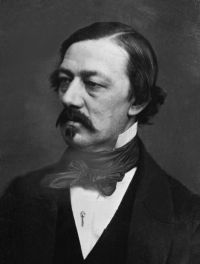
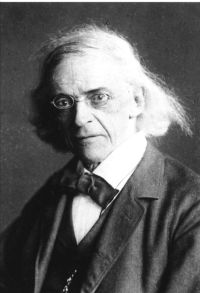
Portrait of Thomas Hodgkin Thomas Hodgkin,  The history of England, from the earliest times to the Norman Conquest (1906)

“ In the year 47, Aulus Plautius left Britain to receive the honour of an ovation, then almost exclusively reserved for the imperial family, and to find his wife Pomponia (a woman of gentle nature but touched with sadness) tending towards “a foreign religion” which, there is good reason to believe, was none other than Christianity. He probably left the frontier of the Roman dominion nearly coincident with a line drawn diagonally from the Bristol Channel to the Wash, though outlying districts like Cornwall and Devonshire were not yet assimilated by the new lords of Britain. ”
Source: Gutenberg

Get perspective with Kwize: daily news enlightened by great literature