Baal worship

Definition and stakes

P. Austin Nuttall,  The Nuttall Encyclopædia

“ Baalim, the principal male divinity of the Canaanites and Phoenicians, identified with the sun as the great quickening and life-sustaining power in nature, the god who presided over the labours of the husbandman and granted the increase; his crowning attribute, strength; worshipped on hill-tops with sacrifices, incense, and dancing. Baal-worship, being that of the Canaanites, was for a time mixed up with the worship of Jehovah in Israel, and at one time threatened to swamp it, but under the zealous preaching of the prophets it was eventually stamped out. ”
Source: Gutenberg

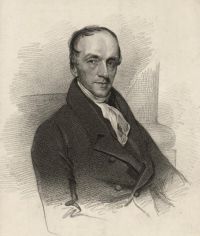
Portrait of Richard Watson Richard Watson,  A Biblical and Theological Dictionary

“ It is certain, however, that when the custom prevailed of deifying and worshipping those who were in any respect distinguished among mankind, the appellation of Baal was not restricted to the sun, but extended to those eminent persons who were deified, and who became objects of worship in different nations. ”
Source: Gutenberg

Justin D. Fulton,  The True Woman

“ As the heathen counted for divine the legislative wisdom of the man,—manly strength, manly truth, manly justice, manly courage, Hercules with his club, Jupiter with his thunderbolt, so Baal, representing the primeval power of nature, became the object of idolatrous worship. After Christ, partly because of the new spirit which pervaded the world, and largely because the carnal heart, ruled by Satan, is glad of any pretext to neglect Christ, Mary, the mother, became preferable to Christ the Son. ”
Source: Gutenberg

Get perspective with Kwize: daily news enlightened by great literature