Battle of Pavia

Definition and stakes

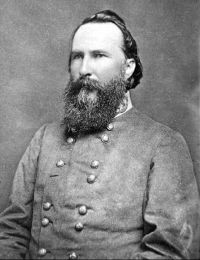
Portrait of François Guizot François Guizot,  A Popular History of France from the Earliest Times…

“ Francis followed this counsel, and on the 26th of August, 1524, twenty days after setting out from Aix in Provence, he appeared with his army in front of Pavia. On learning this resolution, Pescara joyously exclaimed, “We were vanquished; a little while and we shall be vanquishers.” Pavia had for governor a Spanish veteran, Antony de Leyva, who had distinguished himself at the battle of Ravenna, in 1512, by his vigilance and indomitable tenacity: and he held out for nearly four months, first against assaults, and then against investment by the French army. ”
Source: Gutenberg

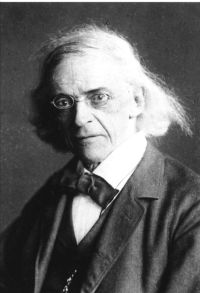
Portrait of John Cassell John Cassell,  Cassell's Illustrated History of England (1865)

“ The army of Pescara was the sole imperial force now in Italy, and its defeat would have been the immediate recovery of the Milanese territory. But Francis was beguiled into the delay of besieging Pavia, in which Pescara had left a strong garrison under Antonio da Leyva. Pavia was a well-fortified city, situated on the deep and rapid Ticino, in a peculiarly strong position, and had repeatedly defied armies for a long time together, particularly those of the Lombards and of Charlemagne. ”
Source: Wikisource

J. N. Larned,  History for ready reference, Volume 2…

“ He was seldom engaged in any general action, and never undertook any considerable siege, excepting that of Pavia, which, in fact, was little more than a protracted blockade. But, during forty-six years of almost unintermitted warfare, he swept over the whole surface of Europe, from the Ebro to the Oder, from Bretagne to Hungary, from Denmark to Capua, with such a velocity of movement, and such a decision of purpose, that no power, civilized or barbarous, ever provoked his resentment without rapidly sinking beneath his prompt and irresistible blows. ”
Source: Gutenberg

Get perspective with Kwize: daily news enlightened by great literature