Casimir Périer

Definition and stakes

James Wood The Nuttall Encyclopædia — C

Casimir, the name of five kings of Poland; the most eminent, Casimir III., called the Great, after distinguishing himself in wars against the Teutonic Knights, was elected king in 1333; recovered Silesia from Bohemia in two victories; defeated the Tartars on the Vistula, and annexed part of Lithuania; formed a code of laws, limiting both the royal authority and that of the nobles (1309-1370) .
Casimir-Perier, president of the French Republic, born in Paris; a man of moderate views and firm character
Source: Wikisource

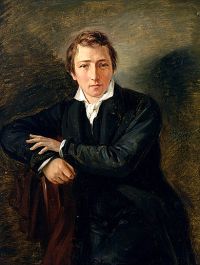
Portrait of Heinrich Heine Heinrich Heine The Works of Heinrich Heine (1893)

They simply worship him. Lafayette establishing order is their idol. They adore him as a kind of Providence on horseback, an armed tutelary patron of public peace and security, as a genius of freedom, who also takes care in the battle for freedom that nothing is stolen and that everybody keeps his little property. The great army of public order, as Casimir Périer called the National Guard, the well-fed heroes in great bearskin caps into which small shopmen's heads are stuck, are drunk with delight when they speak of Lafayette, their old general, their Napoleon of peace.
Source: Wikisource

Princess Catherine Radziwill France from Behind the Veil: Fifty Years of Social and Political Life

One cannot change one’s character, however, and that of M. Casimir Périer could not brook the thorns which were entwined with the roses that strewed his path. He showed, on his retirement, an obstinacy with which he has been very bitterly reproached by his personal friends, for he did so in spite of the supplications of all who composed his immediate entourage. He declared he should go away, and go away he did.
He had been on very good terms with all the foreign Ambassadors and diplomats accredited at the Elysée, and these, one and all, bitterly regretted his departure.
Source: Gutenberg

Get perspective with Kwize: daily news enlightened by great literature