Caucasus Mountains

Definition and stakes

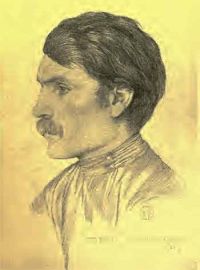
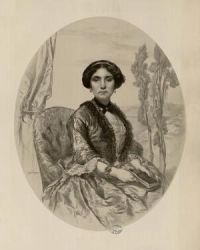
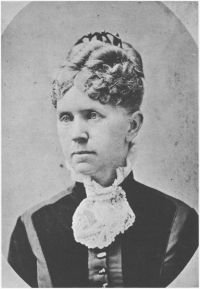
Portrait of Marie Corelli Marie Corelli,  Ardath: The Story of a Dead Self

“ KEATS. CHAPTER I. THE MONASTERY. Deep in the heart of the Caucasus mountains a wild storm was gathering. Drear shadows drooped and thickened above the Pass of Dariel,—that terrific gorge which like a mere thread seems to hang between the toppling frost-bound heights above and the black abysmal depths below,—clouds, fringed ominously with lurid green and white, drifted heavily yet swiftly across the jagged peaks where, looming largely out of the mist, the snow-capped crest of Mount Kazbek rose coldly white against the darkness of the threatening sky. ”
Source: Gutenberg

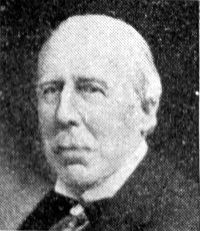
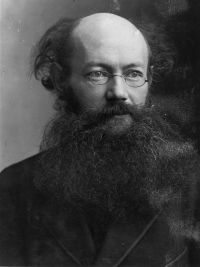
Portrait of William Eleroy Curtis William Eleroy Curtis,  Around the Black Sea

“ The geological interest in the Caucasus Mountains is due to the fact that they rise abruptly from two flat plains, similar to our western prairies, known as steppes, and are unique because of the simplicity of their structure, the regularity of their outlines, the steepness of the declivities, and the narrowness of the range. It is not split up, as other great mountain chains are, into secondary and parallel ranges, and has no buttresses running at right angles, nor outlying peaks. ”
Source: Gutenberg

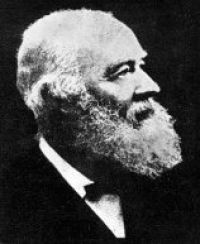
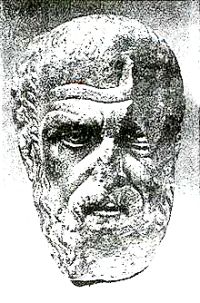
Portrait of Joseph Jacobs Joseph Jacobs,  The Book of Wonder Voyages (1919)

“ And they knew that they were come to Caucasus, at the end of all the earth: Caucasus the highest of all mountains, the father of the rivers of the East. On his peak lies chained the Titan, while a vulture tears his heart; and at his feet are piled dark forests round the magic Colchian land.
And they rowed three days to the eastward, while Caucasus rose higher hour by hour, till they saw the dark stream of Phasis rushing headlong to the sea, and, shining above the tree tops, the golden roofs of King Aietes, the child of the Sun.
”
Source: Wikisource

Get perspective with Kwize: daily news enlightened by great literature