Cimbri

Definition and stakes

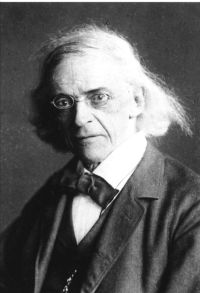
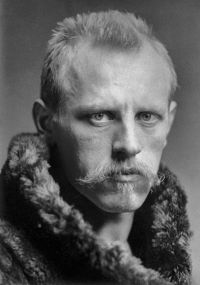
Portrait of Fridtjof Nansen Fridtjof Nansen,  In Northern Mists: Arctic Exploration in Early Times…

“ W. Christ [1866, pp. 131-132] connects the name with the Cimbri of Jutland, whose name is alleged to have been somewhat modified under the influence of the Phœnician “kamar,” dark, which may be doubtful; but Posidonius seems to have been the first to take Cimmerii and Cimbri for the same name [cf. Strabo, vii. 293] , and there is nothing improbable in the supposition that the wandering Cimbri may have reached the Black Sea and been the same people as the Cimmerians, who were remarkable just in the same way for their migrations. ”
Source: Gutenberg

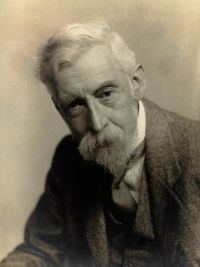
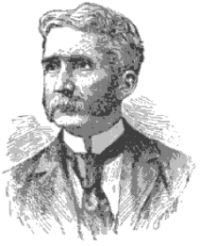
Portrait of Sabine Baring-Gould Sabine Baring-Gould,  In Troubadour-Land — Appendix A (1891)

“ A.—MONUMENTS FROM THE ALYSCAMPS.
1. The inscription to Cornelia, daughter of Marius, is something of a puzzle. Against its genuineness may be urged that he is represented as conqueror of the Cimbri, whereas the Cimbri were not defeated till the following year, near Vercelli. Now it is strange that he should have left his daughter at Arles instead of moving her into Italy; and it is also odd that, if she were left there, he should be designated as conqueror of the Cimbri, whereas in the engagement with the Cimbri he shared the glory with Catulus
”
Source: Wikisource

James Wood,  The Nuttall Encyclopædia — C

“ Cimbri, a barbarian horde who, with the Teutons, invaded Gaul in the 2nd century B.C.; gave the Romans no small trouble, and were all but exterminated by Marius in 101 B.C.; believed to have been a Celtic race, who descended on Southern Europe from the N.
Cimerians, an ancient people N. of the shores of the Black Sea, fabled to inhabit a region unvisited by a single ray of the sun.
Cimon, an Athenian general, son of Miltiades; distinguished himself in the struggle of Athens against Persia in 466 B.C.
”
Source: Wikisource

Get perspective with Kwize: daily news enlightened by great literature