Cornish people

Definition and stakes

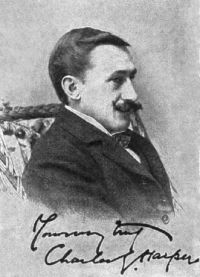
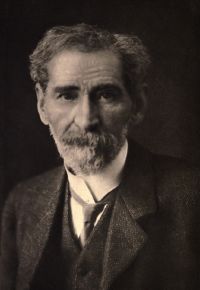
Portrait of W. H. Hudson W. H. Hudson,  The Land's End: A Naturalist's Impressions In West Cornwall…

“ So we arrive at the conclusion that the Cornish people are not, and never have been, intemperate generally; for one reason, because they are of a singularly happy disposition, lively and sociable, with a very intense love of their families and homes; and, secondly, because of the idyllic conditions in which they exist, and always have existed, in a country thinly populated, without big towns, with the healthiest, most equable and genial climate in Britain; and, best of all, isolated, outside of and remote from civilisation with its feverish restlessness, vices and dreadful problems. ”
Source: Gutenberg

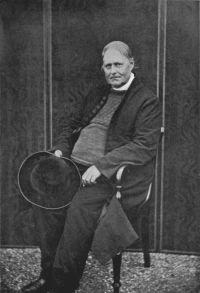
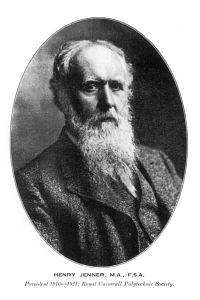
Portrait of Henry Jenner Henry Jenner,  A Handbook of the Cornish Language

“ Thus it may be said that so long as any of these three are alive, a faint flicker of living Cornish remains, even if there is no verity in the weird legends of the survival of more as an esoteric language among the peasantry and the mining and fishing folk of the West. But even if the spoken Cornish be dead, its ghost still haunts its old dwelling, for the modern English speech of West Cornwall is full of Celtic words, and nine-tenths of the places and people from the Tamar to the Land’s End bear Cornish names. ”
Source: Gutenberg

Portrait of W. H. Hudson W. H. Hudson,  The Land's End: A Naturalist's Impressions In West Cornwall…

“ The Cornish peasant appeared to me easier to understand than the English, and, as I imagined, because he was nearer, mentally, to the child. It may even be that the greater sympathy with children of the Cornish people, men and women, is due to this fact that man and child are nearer in mind than is the case with the English people. They are moved emotionally in the same way as children and are liable to gusts of passion, and, like children, are apt to be cruel in their anger. ”
Source: Gutenberg

Get perspective with Kwize: daily news enlightened by great literature