Covent Garden Theatre

Definition and stakes

Helen Campbell Prisoners of Poverty Abroad

There is nothing more curious in all London than the transformations known to this once quiet spot. Drury Lane is close at hand, and Covent Garden Theatre is as well known as the market itself. The convent has become a play-house. "Monks and nuns turn actors and actresses. The garden, formal and quiet, where a salad was cut for a lady abbess, and flowers were gathered to adorn images, becomes a market, noisy and full of life, distributing its thousands of fruits and flowers to a vicious metropolis."
Source: Gutenberg

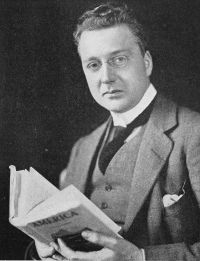
Portrait of Leigh Hunt Leigh Hunt The Town: Its Memorable Characters and Events

Covent Garden theatre was partly rebuilt 296 in 1772, and wholly so in 1809, having undergone the usual death by conflagration. The new edifice was a structure in classical taste, by Mr. Smirke, the portico being a copy from the Parthenon of Athens. [269]
Actors have seldom been confined to any one house; and those whom we are about to mention performed at Drury Lane as well as Covent Garden; but as they were rivals or opponents of Garrick, and may be supposed to have made the greatest efforts when they acted on a different stage, we shall speak of them apart under the present head.
Source: Gutenberg

A Century of Parody and Imitation

The new Covent Garden Theatre opened on the 18th Sept., 1809, when a cry of 'Old Prices' (afterwards diminished to O. P.) burst out from every part of the house. This continued and increased in violence till the 23rd, when rattles, drums, whistles, and cat-calls, having completely drowned the voices of the actors, Mr. Kemble, the stage-manager, came forward and said, that a committee of gentlemen had undertaken to examine the finances of the concern, and that until they were prepared with their report the theatre would continue closed.
Source: Gutenberg

Get perspective with Kwize: daily news enlightened by great literature