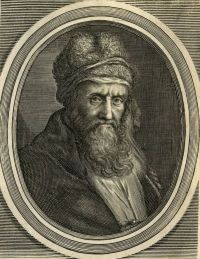
Diogenes of Oinoanda

Definition and stakes

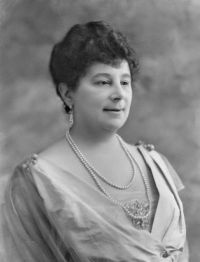
Baroness Emmuska Orczy Orczy The Laughing Cavalier: The Story of the Ancestor of the Scarlet Pimpernel

Ugh! what about your playing the part of a gentleman now?"
"The play was short, O wise Pythagoras," retorted Diogenes with imperturbable good humour, "the curtain has already come down upon the last act. I am once more a knave, a merchant ready to flatter the customer who will buy his wares: Hech there, sir, my lord! what are your needs? My sword, my skin, they are yours to command! so many guilders, sir, and I will kill your enemy for you, fight your battles, abduct the wench that pleases you. So many guilders!
Source: Gutenberg

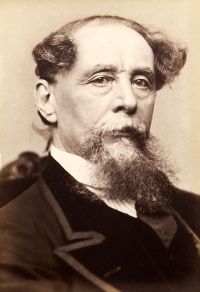
Portrait of Charles Dickens Charles Dickens Dombey and Son (1846)

But though Diogenes was as ridiculous a dog as one would meet with on a summer’s day; a blundering, ill-favoured, clumsy, bullet-headed dog, continually acting on a wrong idea that there was an enemy in the neighbourhood, whom it was meritorious to bark at; and though he was far from good-tempered, and certainly was not clever, and had hair all over his eyes, and a comic nose, and an inconsistent tail, and a gruff voice; he was dearer to Florence, in virtue of that parting remembrance of him, and that request that he might be taken care of, than the most valuable and beautiful of his kind.
Source: Gutenberg

Anna Komnenetranslated by Elizabeth A. S. Dawes The Alexiad — Book IX

But Diogenes was frantic with grief, detested town-life and was fond of living on his own estate and devoting himself entirely to the works of the ancient writers which others read aloud to him. For as he was bereft of sight he used the eyes of others for reading. He was a man of such wonderful capabilities that even without eyes he easily understood things that people with eyes find difficult to follow.
Source: Wikisource

Get perspective with Kwize: daily news enlightened by great literature