Ephorus

Definition and stakes

Strabo,  The Geography of Strabo, Volume 2…

“ As the crier called out, “Go under the porticos,” a report prevailed that the Cymæans did not perceive that they were to go under the porticos when it rained unless they had notice from the public crier.1525
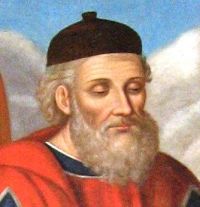
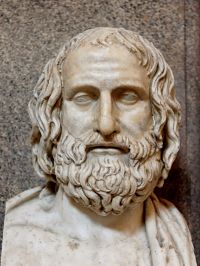
Ephorus, a man indisputably of high repute, a disciple of Isocrates the orator, was a native of this city. He was an historian, and wrote the book on Inventions.
Hesiod the poet, who long preceded Ephorus, was a native of this place, for he himself says, that his father Dius left Cyme in Æolis and migrated to the Bœotians
”
Source: Gutenberg

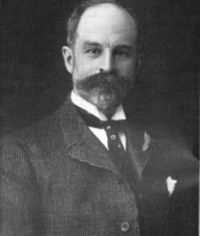
Portrait of George Grote George Grote,  History of Greece, Volume 01 (of 12…

“ Ephorus, while he described Minôs as a commanding and comprehensive lawgiver imposing his commands under the sanction of Zeus, represented him as the imitator of an earlier lawgiver named Rhadamanthus, and also as an immigrant into Krête from the Æolic Mount Ida, along with the priests or sacred companions of Zeus called the Idæi Dactyli. Aristotle too points him out as the author of the Syssitia, or public meals common in Krête as well as at Sparta,—other divergences in a new direction from the spirit of the old fables. ”
Source: Gutenberg

J. P. Mahaffy,  Problems in Greek history

“ There is even a third class which accepts him sometimes, and rejects him at others, because he will not fit in with their preconceived opinions.
not first-rate.
The question now before us is this: If Ephorus did put Pheidon in the eighth Olympiad, or about 747 B.C., upon what authority did he do so? Had he any evidence to go upon different from that which we can still name and criticise? I will here add my opinion to the many which the reader of German can consult for himself. Ephorus [62] was a pupil of Isocrates, brought up to consider style and effect the main objects of the historian.
”
Source: Gutenberg

Get perspective with Kwize: daily news enlightened by great literature