The First Amendment to the United States Constitution, ratified in 1791, forbids Congress from passing legislation that establishes a religion, limits the free practice of religion, or curtails freedoms of speech, press, assembly, or petition. Originally applicable only to federal laws, its reach broadened through judicial incorporation to constrain state actions via the Fourteenth Amendment.
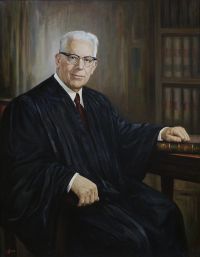
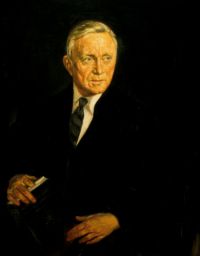
Justices such as Hugo Black, Earl Warren, and William J. Brennan deliberated over its limits, weighing individual freedoms against governmental concerns in cases concerning religious neutrality, obscenity, and dissent. Their decisions highlight the amendment’s growing function as a flexible safeguard for civil rights, adjusting to societal changes while upholding democratic values.
 Tom C. Clark,
Abington School District v. Schempp…
(1963)