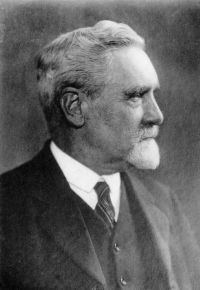
Friedrich Wilhelm von Bülow

Definition and stakes

1911 Encyclopædia Britannica (1911)

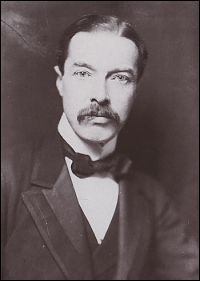
BÜLOW, BERNHARD HEINRICH KARL MARTIN, Prince von (1849–⁠) , German statesman, was born on the 3rd of May 1849, at Klein-Flottbeck, in Holstein. The Bülow family is one very widely extended in north Germany, and many members have attained distinction in the civil and military service of Prussia, Denmark and Mecklenburg. Prince Bülow’s great-uncle, Heinrich von Bülow, who was distinguished for his admiration of England and English institutions, was Prussian ambassador in England from 1827 to 1840, and married a daughter of Wilhelm von Humboldt (see the letters of Gabrielle von Bülow) .
Source: Wikisource

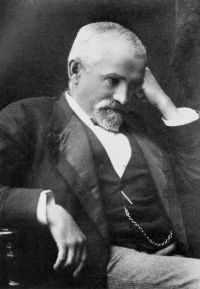
Portrait of Friedrich von Bernhardi Friedrich von Bernhardi Germany and the Next War

In the face of these claims the German nation, from the standpoint of its importance to civilization, is fully entitled not only to demand a place in the sun, as Prince Bülow used modestly to express it, but to aspire to an adequate share in the sovereignty of the world far beyond the limits of its present sphere of influence. But we can only reach this goal, by so amply securing our position in Europe, that it can never again be questioned. Then only we need no longer fear that we shall be opposed by stronger opponents whenever we take part in international politics.
Source: Gutenberg

1911 Encyclopædia Britannica (1911)

At the same time he professes that his system provides working rules for the armies of his own day, which in point of fact were “armed nations,” infinitely more affected by “friction” than the small dynastic and professional armies of the preceding age. Bülow may therefore be considered as anything but a reformer in the domain of strategy. With more justice he has been styled the “father of modern tactics.”
Source: Wikisource

Get perspective with Kwize: daily news enlightened by great literature