Fulani people

Definition and stakes

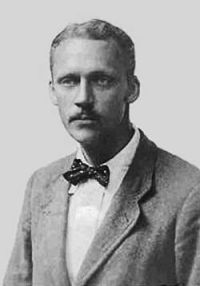
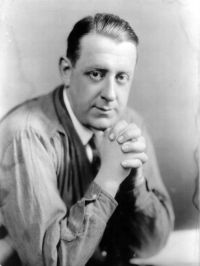
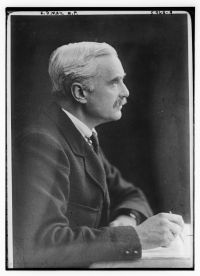
Portrait of E. D. Morel E. D. Morel,  Nigeria (1912)

“ King of the original dynasty by the Fulani early in the nineteenth century, nor yet the occupation of the country by the British seven years ago, have destroyed its influence or impaired its commercial prestige—a tribute to the staying power and to the sterling qualities of the truly remarkable African people whom, in the providence of God, it has now fallen upon us to rule. Its market-place, still the scene of clamorous activity, continues to attract merchants and merchandise from all parts of western Central Africa. ”
Source: Gutenberg

A. H. W. Haywood,  Through Timbuctu and across the great Sahara (1912)

“ On approaching these inundated areas we would disturb big flocks of teal, which had been hidden in the rushes, and now circled high over our heads waiting for our departure to settle down once more in their accustomed haunts.
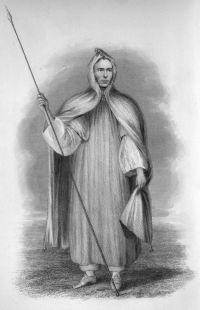
The villages were all Fulani. These people, although in many ways superior to the other inhabitants of the Western Soudan, live in far inferior houses. When approaching a place a glance will be sufficient to tell if it is inhabited by Fulanis. Their huts are most primitive and flimsy affairs. They are built of plaited straw, which is the stalk of the rice or millet plant.
”
Source: Gutenberg

Portrait of E. D. Morel E. D. Morel,  Nigeria (1912)

“ Scattered throughout the region and constantly shifting their habitat in response to the necessities of their calling, were tribes of light-coloured straight-haired people, Fulani, nomadic herdsmen and shepherds. From the ranks of these people, spread over West Africa from the Senegal to the Chad, had sprung from time to time political leaders, divines and men of letters who had played a conspicuous part in the history of the old Niger civilizations. ”
Source: Gutenberg

Get perspective with Kwize: daily news enlightened by great literature