Gerbert of Aurillac

Definition and stakes

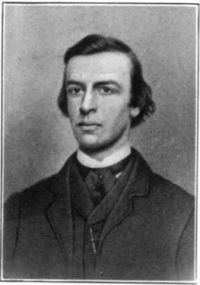
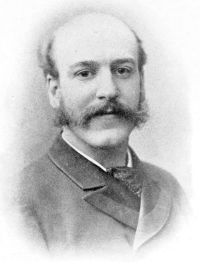
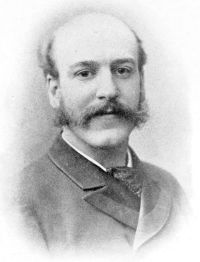
Portrait of Henry Osborn Taylor Henry Osborn Taylor,  The Mediaeval Mind (1911)

“ Gerbert's letters are concise, even elliptical to the verge of obscurity. He discloses himself in a few words to his old friend Raymund at the monastery of Aurillac: "With what love we are bound to you, the Latins know and also the barbarians, [5] who share the fruit of our studies. Their vows demand your presence. Amid public cares philosophy is the sole solace; and from her study we have often been the gainer, when in this stormy time we have thus broken the attack of fortune raging grievously against others or ourselves...." ”
Source: Wikisource

Reginald Lane-Poole,  Illustrations of the History of Medieval Thought and Learning (1920)

“ It was indeed in practical affairs that Gerbert's interest was engaged, and his thoughts no more than his actions were disquieted by any considerations of religion. From a teacher Gerbert became a politician. We discern his character in the arts by which he obtained the archbishoprick of Rheims. [13] Full of resource, unscrupulous in intrigue, he had the shrewdness, the practical sagacity, of a man of the world: moral difficulties were no difficulties to him. ”
Source: Wikisource

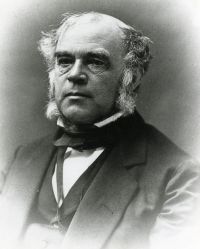
Portrait of Henry Osborn Taylor Henry Osborn Taylor,  The Mediaeval Mind (Volume 1 of 2…

“ Even in the eleventh century the lofty range of French thought, of French intellectual interests, is apparent; for it embraces the problems of philosophy and theology, and does not find its boundary and limit in phenomenal or mortal life. Gerbert is almost too universal an intellect to offer as a fair example. Yet all that he cared for is more than represented by other men taken together; for Gerbert did not fully represent the interests of religious thought in France. His was the humanism and the thirst for all the round of knowledge included in the Seven Arts. ”
Source: Gutenberg

Get perspective with Kwize: daily news enlightened by great literature