Gothic sculpture

Definition and stakes

John H. Middleton, Marion H. A. Spielmann, Paul G. Konody and Léonce Bénédite,  1911 Encyclopædia Britannica, Volume 24… (1911)

“ Although the difference between fully developed Gothic sculpture and Romanesque sculpture is almost as clearly marked as the difference between Gothic and Romanesque architecture— indeed, the evolution of the two arts proceeded in parallel stages—the change from the earlier to the later style is so gradual and almost imperceptible, that it is all but impossible to follow it step by step, and to illustrate it by examples. What distinguishes the Gothic from the Romanesque in sculpture is the striving to achieve individual in the place of typical expression. ”
Source: Wikisource

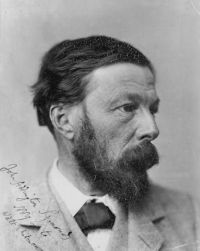
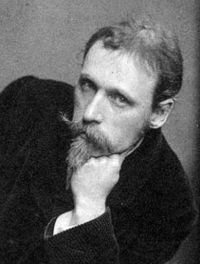
Portrait of Walter Crane Walter Crane,  The Bases of Design

“ In fact, all through the Gothic period design seems to have had more the character of a vital organic growth, controlled by a certain tradition and the influence of architectural style, yet within these limits and those of the material of its expression developing an extraordinary freedom both of invention and graphic power, which culminated at the end of the fifteenth century, or was perhaps absorbed by the classicism of the Renascence. Thirteenth century Gothic sculpture at its best, as we find it in France, has almost the simplicity, grace, and natural feeling of Greek work. ”
Source: Gutenberg

Charles Herbert Moore,  Development and Character of Gothic Architecture (1890)

“ Hence, by mere obedience to these and other conditions which govern the art, ornamental sculpture becomes unlike nature, though it may owe its highest beauty to elements derived from the woods and fields. It is from just regard to all the conditions involved, and not from any arbitrary purpose, that the conventional character of Gothic sculpture results. ”
Source: Wikisource

Get perspective with Kwize: daily news enlightened by great literature