Indian reservation

Definition and stakes

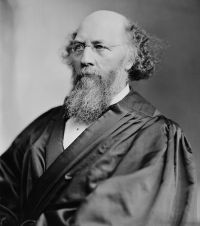
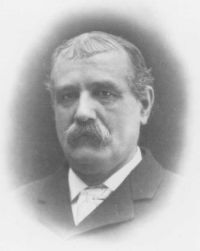
Portrait of Carl Schurz Carl Schurz,  Speeches, correspondence and political papers of Carl Schurz (1913)

“ But as the endeavors of the Government have not always in similar cases had the same success in the past, they may not always be equally successful in the future, and there is now scarcely a single Indian reservation in the country that will not soon be exposed to the same chances. It is, therefore, of the utmost importance to the Indians, as well as to the country generally, that a policy be adopted which will secure to them and their descendants the safe possession of such tracts of land as they can cultivate, and a fair compensation for the rest ”
Source: Wikisource

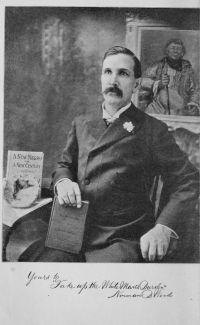
Portrait of Francis Amasa Walker Francis Amasa Walker,  The Indian Question

“ We conclude, then, that Indian citizenship is to be regarded as an end, and not as a means; that it is the goal to which each tribe should in turn be conducted, through a course of industrial instruction and constraint, maintained by the government with kindness but also with firmness, under the shield of the reservation system. It is true that this system can no longer be kept up without sacrifice on our part. ”
Source: Gutenberg

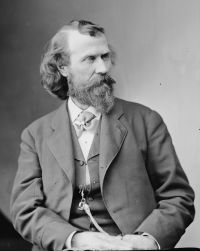
Portrait of Francis Amasa Walker Francis Amasa Walker,  The Indian Question

“ The reservations assigned to tribes and bands are generally proportioned to the needs of the Indians in a roving state, with hunting and fishing as their chief means of subsistence. As the Indians change to agriculture, the effect is to contract the limits of actual occupation, rendering portions available for cession or sale, which with proper management may be so disposed of, without impairing the integrity of the reservation system, as to realize for nearly every tribe and band a fund equal, per capita, to that of many of the civilized tribes of the Indian Territory. ”
Source: Gutenberg

Get perspective with Kwize: daily news enlightened by great literature