Iron Cross

Definition and stakes

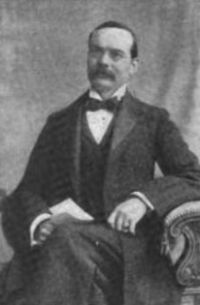
Portrait of Mary Roberts Rinehart Mary Roberts Rinehart,  Kings, Queens and Pawns: An American Woman at the Front

“ The mobilisation of the Red Cross army began—that great army which is of no nation, but of all nations, of no creed but of all faiths, of one flag for all the world and that flag the banner of the Crusaders.
The Red Cross is the wounded soldier's last defence. Worn as a brassard on the left arm of its volunteers, it conveys a higher message than the Victoria Cross of England, the Iron Cross of Germany, or the Cross of the Legion of Honour of France. It is greater than cannon, greater than hate, greater than blood-lust, greater than vengeance. It triumphs over wrath as good triumphs over evil.
”
Source: Gutenberg

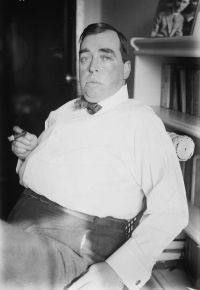
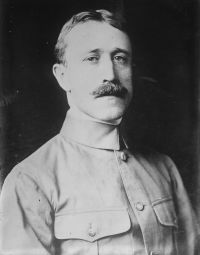
Portrait of Frederick Palmer Frederick Palmer,  My Year of the Great War

“ And more of these officers had the Iron Cross than not.
The plenitude of Iron Crosses appealed to the risibilities of the superficial observer. But in this, too, there was system. An officer who had been in several battles without winning one must feel a trifle declassed and that it was time for him to make amends to his pride. If many were given to privates then the average soldier would not think the Cross a prize for the few who had luck, but something that he, too, might win by courage and prompt obedience to orders.
”
Source: Gutenberg

Raemaekers' Cartoon History of the War…

“ Before the war the possession of an Iron Cross was a rare distinction and a cherished memory of the war of 1870. Iron Crosses soon became as plentiful as blackberries. According to official statistics there had up to the end of March, 1915, been distributed five Grand Crosses, 6,488 Iron Crosses of the First Class, and 338,261 Iron Crosses of the Second Class. ”
Source: Gutenberg

Get perspective with Kwize: daily news enlightened by great literature