Italian culture

Definition and stakes

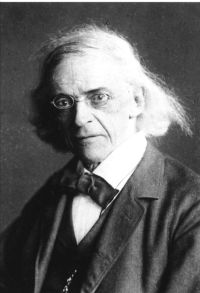
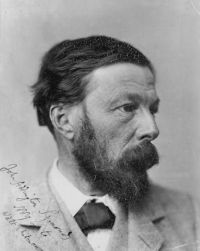
Portrait of Henry Osborn Taylor Henry Osborn Taylor,  The Mediaeval Mind (Volume 1 of 2…

“ This old Chronicon affords an illustration of the fact that the transition and early mediaeval centuries had brought nothing to Italy that was new or foreign, nothing that was not in the blood, nothing to deeply disturb the continuity of Italian culture and character which moved along without break, whether in ascending or descending curves.
Yet evidently the eleventh-century Italian is no longer a Latin of the Empire. For one thing, he is more individualistic. Formerly the prodigious power of Roman government united citizens and subject peoples, and impressed a human uniformity upon them.
”
Source: Gutenberg

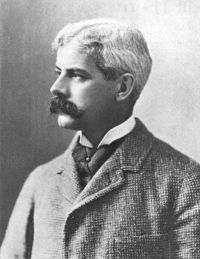
Portrait of Henry Osborn Taylor Henry Osborn Taylor,  The Mediaeval Mind (Volume 1 of 2…

“ We start with Italy. There was no break between her antique civilization and her mediaeval development, but only a period of depression and decay. Notwithstanding the change from paganism to Christianity and the influx of barbarians, both a race-continuity and a continuity of culture persisted. The Italian stock maintained its numerical preponderance, as well as the power of transforming newcomers to the likeness of itself. The natural qualities of the country, and the existence of cities and antique constructions, assisted in the Italianizing of Goth, Lombard, German, Norman. ”
Source: Gutenberg

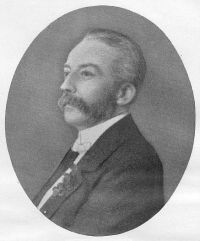
Portrait of John Addington Symonds John Addington Symonds,  Renaissance in Italy, Volume 5…

“ The culture, which formed the great achievement of the Italian Renaissance and which was diffused through Europe, uniting men of all races and all creeds in speculative and literary activity, evoking sympathies and stimulating antagonisms upon vital questions of universal import, was necessary for the evolution of the modern world as we now know it. ”
Source: Gutenberg

Get perspective with Kwize: daily news enlightened by great literature