Japanese art

Definition and stakes

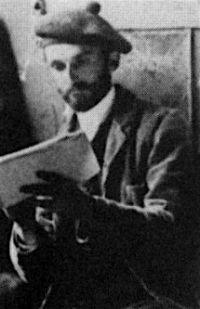
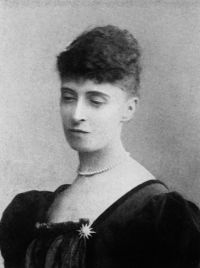
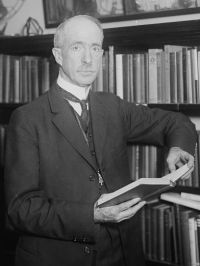
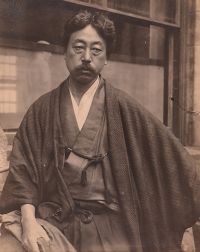
Portrait of Basil Hall Chamberlain Basil Hall Chamberlain,  Things Japanese (1905)

“ Japanese art-motives form a fascinating study, which the visitor to Japan and the stay-at-home collector may alike master little by little on every scroll, coloured print, picture-book, netsuke, sword-hilt that he bargains for, even on penny fans and twopenny towels; for in the Japanese view of life the tritest articles of daily use should, if possible, rejoice the eye and feed the mind. Odds and ends are not combined merely because they will look pretty, as in the handiwork of our own modern decorators. ”
Source: Wikisource

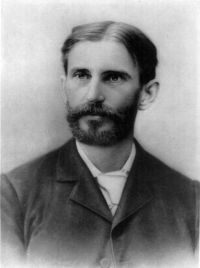
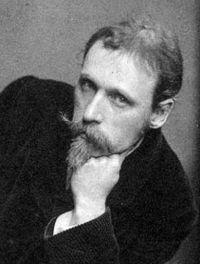
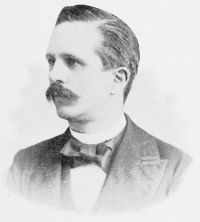
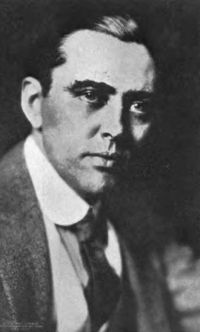
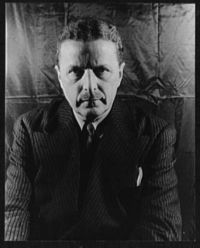
Portrait of Arthur Davison Ficke Arthur Davison Ficke,  Chats on Japanese Prints

“ The Japanese artist will draw a woman as if she were a lily, a man as if he were a tempest, a tree as if it were a writhing snake, a mountain as if it were a towering giant. This is the very essence of poetical imagination; and the result of it is to endow a picture with obscure suggestions and overtones of infinite power. Symbols of existence beyond themselves, these designs are charged with an almost mystical command upon the emotions of the spectator. Western art has employed such a method comparatively little in painting. In poetry it appears frequently. ”
Source: Gutenberg

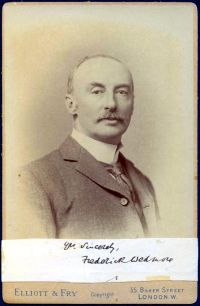
1911 Encyclopædia Britannica, Volume 15… (1911)

“ Whether a Japanese art-worker sets himself to copy what he sees before him or to give play to his fancy in combining what he has seen with some ideal in his mind, the result shows perfect facility of execution and easy grace in all the lines.
The beauties of the human form never appealed to the Japanese artist.
”
Source: Wikisource

Get perspective with Kwize: daily news enlightened by great literature