John Hawkins

Definition and stakes

Walter Hawkins,  Old John Brown, the man whose soul is marching on

“ In his devoutly fatalistic way John Brown had presented his body a living sacrifice to the cause of human freedom, and had at last slowly reached the settled opinion that it was worth more to the cause dead than alive. Such a soul, so masterful in its treatment of the body, was likely to march on without it. And it did in the years that followed, This Abolitionist raider, with a rashness often sublime in its devotion, precipitated the national crisis which issued in the Civil War and Emancipation. ”
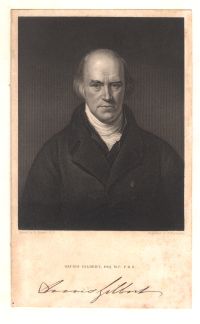
Source: Gutenberg

Thompson Cooper,  Dictionary of National Biography… (1891)

“ HAWKINS, HENRY (1571?–1646) , jesuit, born in London in 1571 or 1575, was second son of Sir Thomas Hawkins, knt., of Nash Court, Kent, by Anne, daughter and heiress of Cyriac Pettit, of Boughton-under-the-Blean, Kent. John Hawkins [q. v.] and Sir Thomas Hawkins [q. v.] were his brothers. After studying classics in the college of the English jesuits at St. Omer, he entered the English College at Rome, under the assumed name of Brooke, on 19 March 1608–9. ”
Source: Wikisource

Get perspective with Kwize: daily news enlightened by great literature