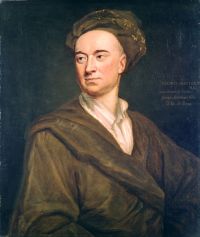
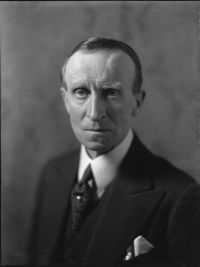
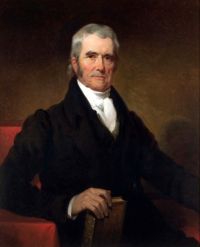
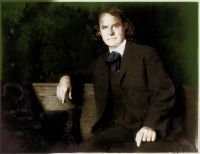
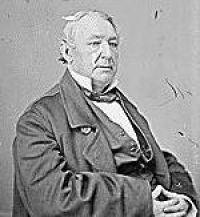
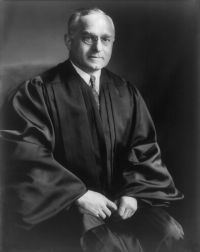
John Law (1796–1873) was an American politician who served in the U.S. House of Representatives, representing Indiana from 1861 to 1865. His career intersected with themes of jurisprudence, governance, and economic aspiration, as reflected in literary and historical accounts. Emerson Hough’s The Mississippi Bubble portrays Law as a figure of financial recklessness, involved in speculative ventures, while William Sharp McKechnie’s Magna Carta examines Law’s historical context through medieval legal conflicts.
John Arbuthnot’s The History of John Bull critiques the legal system’s intricacies, using satirical allegory to highlight its human weaknesses. These varied perspectives underscore Law’s symbolic role as a link between political power and the ambiguities of legal and economic structures.
 Emerson Hough,
The Mississippi Bubble
Emerson Hough,
The Mississippi Bubble