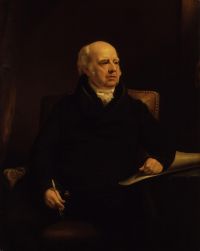
 William Sharp,
Where the forest murmurs
(1906)
William Sharp,
Where the forest murmurs
(1906)
“ Kalevala, or of that not less mysterious ancient Teutonic nature-god Wunsch, or of our Gaelic Angus Og, son of heaven and earth; each of whom has the wild-dove for his own, his symbol and his mortal image. Each wove grass and plants and greenness of trees out of the earth and the rain, out of the sunshine and the wind; each spun flowers out of dew and moonlight and the rose and saffron of dawns and sunsets. Each, too, created strength in the hearts of men and power in their bodies, and wove beauty on the faces of women and children. Each became, thus, the god of happiness, of youth, of joy. ”