Finnish mythology

Definition and stakes

Kalevala : the Epic Poem of Finland…

“ All beings were persons. The Sun, Moon, Stars, the Earth, the Air, and the Sea, were to the ancient Finns, living, self-conscious beings. Gradually the existence of invisible agencies and energies was recognized, and these were attributed to superior persons who lived independent of these visible entities, but at the same time were connected with them. The basic idea in Finnish mythology seems to lie in this: that all objects in nature are governed by invisible deities, termed haltiat, regents or genii. These haltiat, like members of the human family, have distinctive bodies and spirits ”
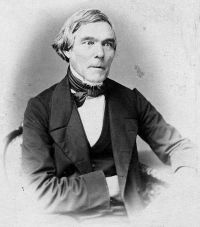
Source: Gutenberg

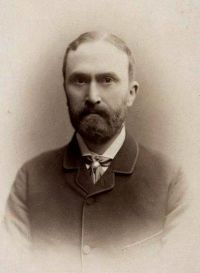
Portrait of Elias Lönnrot Elias Lönnrot,  The Kalevala — Preface

“ One of the most notable characteristics of the Finnish mythology is the interdependence among the gods. "Every deity", says Castrén, "however petty he may be, rules in his own sphere as a substantial, independent power, or, to speak in the spirit of The Kalevala, as a self-ruling householder. The god of the Polar-star only governs an insignificant spot in the vault of the sky, but on this spot he knows no master."
The Finnish deities, like the ancient gods of Italy and Greece, are generally represented in pairs, and all the gods are probably wedded.
”
Source: Wikisource

Kalevala : the Epic Poem of Finland…

“ Ukko, however, is the chief God according to Finnish mythology, and thus the coincidence of the Magyar Ukkon and the Finnish Ukko was placed beyond doubt.
The Kalevala (the Land of Heroes) relates the ever-varying contests between the Finns and the "darksome Laplanders", just as the Iliad relates the contests between the Greeks and the Trojans. Castren is of the opinion that the enmity between the Finns and the Lapps was sung long before the Finns had left their Asiatic birth-place.
”
Source: Gutenberg

Get perspective with Kwize: daily news enlightened by great literature