Kerala

Definition and stakes

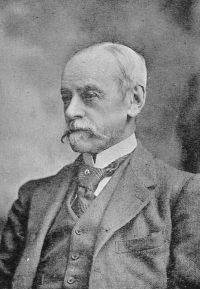
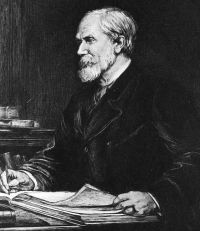
1911 Encyclopædia Britannica, Volume 15… (1911)

“ There is evidence of a lively trade carried on by sea with the Roman empire in the early centuries of the Christian era, but of the political history of the Kerala kingdom nothing is known beyond a list of rajas compiled from inscriptions, until in the 10th century the struggle began with the Cholas, by whom it was conquered and held till their overthrow by the Mahommedans in 1310. These in their turn were driven out by a Hindu confederation headed by the chiefs of Vijayanagar, and Kerala was absorbed in the Vijayanagar empire until its destruction by the Mahommedans in 1565. ”
Source: Wikisource

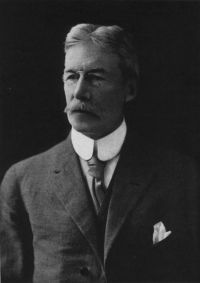
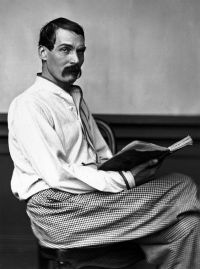
Portrait of Charles Eliot Charles Eliot,  Hinduism and Buddhism, An Historical Sketch…

“ From an early period the extreme south of the peninsula was divided into three states known as the Pândya, Cera and Cola kingdoms [123] . The first corresponded to the districts of Madura and Tinnevelly. Cera or Kerala lay on the west coast in the modern Travancore. The Cola country included Tanjore, Trichinopoly, Madras, with the greater part of Mysore. From the sixth to the eighth century A.D. a fourth power was important, namely the Pallavas, who apparently came from the north of the Madras Presidency. They had their capital at Conjeevaram and were generally at war with the three kingdoms. ”
Source: Gutenberg

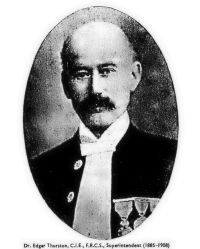
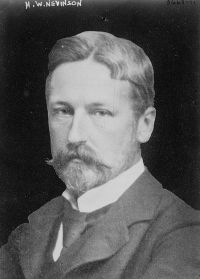
Portrait of Edgar Thurston Edgar Thurston,  Castes and Tribes of Southern India (1909)

“ In every village certain families had bestowed on them by the chieftains of Kērala the right of deciding all questions affecting the caste. All social offences are tried by them, and the decision takes the form of an order to celebrate iananguttu or feast of the equals, at which the first article served on the leaf placed before the assembled guests is not food, but a sum of money. ”
Source: Wikisource

Get perspective with Kwize: daily news enlightened by great literature