Khan of the Golden Horde

Definition and stakes

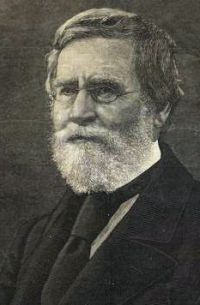
Portrait of H. G. Wells H. G. Wells The Outline of History: Being a Plain History of Life and Mankind

In the empire of Kipchak, as in Turkestan almost up to the present time, while the nomads roamed over wide areas, a number of towns and cultivated regions sustained a settled population which usually paid tribute to the nomad Khan. In such towns as Kieff, Moscow, and the like, the pre-Mongol, Christian town life went on under Russian dukes or Tartar governors, who collected the tribute for the Khan of the Golden Horde.
Source: Gutenberg

Robert Kerr A General History and Collection of Voyages and Travels…

The great Khan at first established his royal court at Kara-kum in the desert, and followed the Tarter custom of moving about with the golden horde, attended by numerous flocks and herds, according to the changes of the season: but Mangu-Khan, and Cublai-Khan, established their principal seat of empire in the new city of Pe-king, or Khan-balu, and perfected the conquest of China, reducing Corea, Tonkin, Cochin-china, Pegu, Bengal, and Thibet, to different degrees of subjection, or tribute, under the direct influence of the great Khan, and his peculiar lieutenants.
Source: Gutenberg

Sagas from the Far East; or, Kalmouk and Mongolian Traditionary Tales

Now, the tribute they exacted of the country was that of a full grown man, to be chosen by lot, every year; and on whoso the lot fell, he had to go, without redemption, whatever his condition in life. Thus it happened one year that the lot fell on the Khan himself. In all the kingdom there was no one of equal rank who could be received instead of him, unless it had been his only son. When his son would have gone in his stead, he answered him, “What is it to me if the Serpents devour me, so that thou, my son, reignest in peace?”
Source: Gutenberg

Get perspective with Kwize: daily news enlightened by great literature