Kuraysh

Definition and stakes

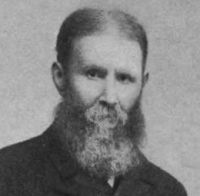
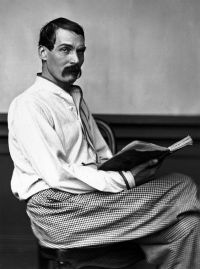
Portrait of Sir Richard Francis Burton Sir Richard Francis Burton,  Personal Narrative of a Pilgrimage to Al-Madinah & Meccah…

“ The Kuraysh tribe, who rebuilt the house, failing in funds of pure money, curtailed its proportions by nearly seven cubits and called the omitted portion Al-Hatim. In digging the foundation they came to a green stone, like a camels hunch, which, struck with a pickaxe, sent forth blinding lightning, and prevented further excavation. The Kuraysh, amongst other alterations, raised the walls
[p.323] from nine to eighteen cubits, built a staircase in the northern breadth, closed the western door and placed the eastern entrance above the ground, to prevent men entering without their leave.
”
Source: Gutenberg

Portrait of Sir Richard Francis Burton Sir Richard Francis Burton,  Personal Narrative of a Pilgrimage to Al-Madinah & Meccah…

“ Ibn Jubayr mentions three columns of teak. Burckhardt and Ali Bey, two. In Al-Fasis day there were four. The Kuraysh erected six columns in double row. Generally the pillars have been three in number. [FN#15] This wood, which has been used of old to ornament sacred buildings in the East, is brought to Meccah in great quantities by Malay and Java pilgrims. The best kind is known by its oily appearance and a fizzing sound in fire; the cunning vendors easily supply it with these desiderata. ”
Source: Gutenberg

Portrait of Sir Richard Francis Burton Sir Richard Francis Burton,  Personal Narrative of a Pilgrimage to Al-Madinah & Meccah…

“ This addition to our knowledge is the more required, as our popular sketches (generally taken from DOhsson) are utterly incorrect. The Kaabah is always a recognisable building; but the View of Meccah known to Europe is not more like Meccah than like Cairo or Bombay. [FN#4] It is curious that the Afghans should claim this Kuraysh noble as their compatriot. On one occasion, when Khalid bin Walid was saying something in his native tongue (the Pushtu or Afghani) , Mohammed remarked that assuredly that language was the peculiar dialect of the damned. ”
Source: Gutenberg

Get perspective with Kwize: daily news enlightened by great literature