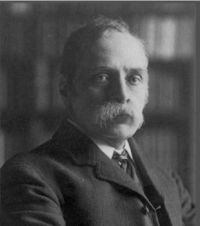
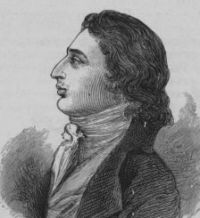
The Latin language, a cornerstone of Western civilization, functioned as the lingua franca of the Roman Empire and a fundamental pillar of modern European scholarship and culture. Authors such as J.W. Mackail emphasized its lasting impact on the development of civilization, while Anne C. Lynch Botta contrasted its structured formality with the flexibility of Greek, pointing out its compatibility with Roman practicality.
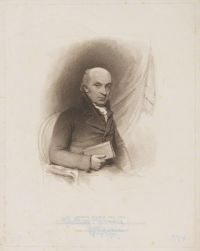
Benjamin L. D’Ooge highlighted Latin’s continued presence in education, connecting it to its present-day significance, and Harold North Fowler stressed its role in safeguarding Greek literary traditions. These viewpoints together illustrate Latin as both a historical link and an ongoing influence in language, law, and intellectual heritage.
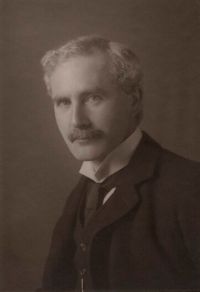 J. W. Mackail,
Latin Literature